
.jpeg)
What are the adverse reactions of Valganciclovir? Common side effects and countermeasures
Valganciclovir, commonly known as valganciclovir in Chinese, is an antiviral drug mainly used to prevent and treat cytomegalovirus (CMV) infection. It is especially widely used in patients after organ transplantation or people with low immune function (such as AIDS patients). Although its antiviral effect is significant, like many powerful drugs, Vancevi may also cause a series of adverse reactions during treatment. Understanding these side effects and countermeasures can help patients improve medication compliance and manage their health more safely and effectively during treatment.
One of the most common adverse reactions of Vancevir is problems with the hematopoietic system. Valganciclovir will be converted into ganciclovir after entering the body, and ganciclovir has a certain bone marrow suppression effect, which may lead to leukopenia, neutropenia, anemia and thrombocytopenia. This type of reaction is more common in patients who have been taking medications for a long time or who are immunocompromised. When mild leukopenia occurs, patients may have no obvious symptoms, but if it progresses further, it may increase the risk of infection. If the neutrophil count drops significantly, patients may experience recurrent fevers, frequent infections, or even severe sepsis. In this regard, routine blood tests should be performed regularly, especially during the initial treatment and dose adjustment stages. Once obvious abnormalities are found, the dosage should be adjusted under the guidance of a doctor. If necessary, the medication should be suspended and symptomatic treatment such as increasing white blood cells should be given.
Gastrointestinal adverse reactions are also a common problem during the use of Vancevi. Some patients will experience nausea, vomiting, diarrhea, loss of appetite, abdominal pain and other symptoms, which usually occur at the beginning of taking the medicine or are more common when taking the medicine on an empty stomach. Most mild to moderate gastrointestinal reactions can gradually alleviate as the body adapts, but if the symptoms are severe or persistent, they may affect the patient's nutrient absorption and quality of life. In order to reduce this type of reaction, it is recommended that patients take Vancevir with food to reduce gastrointestinal irritation; at the same time, they should maintain a light diet and avoid greasy and irritating food. If the gastrointestinal reaction is severe, auxiliary drugs such as antiemetics and gastric mucosal protective agents can be used under the guidance of a doctor.
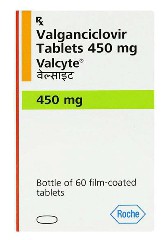
Renal function impairment is also one of the noteworthy adverse reactions. Vancevir is excreted through renal metabolism and therefore should be used with special caution in patients with renal insufficiency and the dose should be adjusted based on creatinine clearance. If the dose is not adjusted, drug accumulation may occur, leading to toxic reactions. Some patients may experience abnormal renal function such as increased creatinine, decreased urine output, and edema while taking the drug. Therefore, kidney function should be monitored regularly during use, especially in the elderly or patients with a history of kidney disease. The dosage should be strictly controlled and the body's reaction should be closely observed. If renal function abnormalities occur, you should seek medical attention immediately and evaluate whether it is necessary to change other antiviral drugs or adjust the treatment plan.
In addition, some patients may also experience neurological adverse reactions, such as headache, fatigue, drowsiness, and decreased concentration. Such symptoms are usually mild to moderate and generally do not affect treatment, but individual patients may feel unresponsive or experience brief confusion. Patients should avoid engaging in high-risk jobs or operating machinery, such as driving, climbing, etc., while taking the medication to prevent accidents. If symptoms persist for a long time or affect daily life, consider changing the drug or adjusting the administration time to reduce discomfort.
In addition to the common adverse reactions mentioned above, individual patients may also experience rash, fever, abnormal liver function, allergic reactions, etc., which require sufficient attention. For patients with a history of drug allergy, hepatic and renal insufficiency, or other underlying diseases, a comprehensive evaluation should be conducted before using Vancevir.
To minimize the risk of adverse reactions, patients are advised to pay attention to the following points while taking Vancevi:
1.Take medication as directed by the doctor: strictly follow the dosage and time prescribed by the doctor, and do not increase or decrease the dosage or extend the course of treatment without authorization;
2.Regular review: including blood routine, liver and kidney function, electrolytes and other indicators to detect potential problems in a timely manner;
3. Take with food: reduce gastrointestinal irritation and improve drug tolerance;
4.Drink more water: promote drug excretion and reduce the burden on the kidneys;
5.Be alert to changes in symptoms: If symptoms such as fever, bleeding spots, rash, fatigue, and disturbance of consciousness occur, seek medical attention promptly.
To sum up, although Vancevir is a highly effective antiviral drug, it may indeed cause a variety of adverse reactions during use, including hematopoietic system suppression, gastrointestinal discomfort, renal function effects, and nervous system reactions. Through standardized medication, regular monitoring and individualized adjustment of treatment plans, most patients can complete the treatment cycle safely and effectively, thereby achieving good antiviral efficacy.
Reference materials:https://go.drugbank.com/drugs/DB01610
[ 免责声明 ] 本页面内容来自公开渠道(如FDA官网、Drugs官网、原研药厂官网等),仅供持有医疗专业资质的人员用于医学药学研究参考,不构成任何治疗建议或药品推荐。所涉药品可能未在中国大陆获批上市,不适用于中国境内销售和使用。如需治疗,请咨询正规医疗机构。本站不提供药品销售或代购服务。


