
.jpeg)
Bosutinib/Bosutinib belongs to the first generation of TKI targeted drugs
Bosutinib is a second-generation tyrosine kinase inhibitor (TKI) that was developed to address drug resistance and side effects associated with first-generation TKIs (such as imatinib) in the treatment of chronic myelogenous leukemia (CML). As a targeted drug targeting the BCR-ABL fusion protein, bosutinib has inhibitory activity against a variety of ABL kinase mutants and is especially suitable for patients who are intolerant or resistant to imatinib. It has gradually established its important position in the TKI treatment spectrum globally.
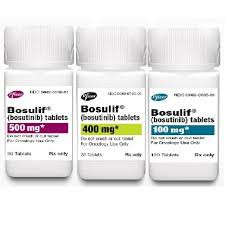
The pharmacological properties of Bosutinib not only effectively block the BCR-ABL signaling pathway, but also inhibit Src family kinases, which are related to the adhesion, migration and viability of tumor cells. This multi-target property provides theoretical support for its application in some refractory cases of CML. Compared with the first-generation TKI, bosutinib has a good inhibitory effect on multiple mutant forms except ABL T315I mutation, reflecting its progress in target adaptability and resistance overcoming ability.
From the perspective of clinical indications, bosutinib is usually used to treat adult patients with CML in the chronic phase, accelerated phase or blast phase who have failed imatinib. It is also one of the few TKIs recommended in guidelines for second- and third-line treatment. Its applicable population is mostly those who have failed to receive one or more TKI treatments in the past. Therefore, it serves as a link between the past and the future in terms of treatment strategies, and has the role of transition and rescue.
In terms of molecular structure, bosutinib has higher affinity and target selectivity than the first generationTKI, which makes it more stable and longer-lasting when binding to the target. Its spectrum of toxic and side effects is relatively unique, especially the management of intestinal side effects is slightly different from other TKIs, which also requires clinicians to make corresponding adjustments based on individual patient tolerance during application.
Reference materials:https://go.drugbank.com/drugs/DB06616
[ 免责声明 ] 本页面内容来自公开渠道(如FDA官网、Drugs官网、原研药厂官网等),仅供持有医疗专业资质的人员用于医学药学研究参考,不构成任何治疗建议或药品推荐。所涉药品可能未在中国大陆获批上市,不适用于中国境内销售和使用。如需治疗,请咨询正规医疗机构。本站不提供药品销售或代购服务。


