
.jpeg)
How many days after kidney transplantation can I take Valganciclovir tablets? Medication timing and precautions
Kidney transplantation is an important method for the treatment of end-stage renal disease, but post-transplantation patients have a significantly increased risk of infection due to immunosuppressive treatment, especially cytomegalovirus (CMV) infection. Valganciclovir (Valganciclovir, trade name: Valganciclovir), as an anti-CMV virus drug, is widely used in the prevention and treatment of kidney transplant patients. Properly grasping the timing and precautions for taking Vancevir is crucial to reducing the risk of infection and ensuring the function of the transplanted kidney. This article will introduce in detail when to start taking Vancevir after kidney transplantation, as well as related usage principles and precautions.
First of all, regarding how many days after kidney transplantation you can start taking Vancevir, it is generally recommended to start taking the drug early after the operation. Specifically, most clinical protocols recommend initiating valganciclovir prophylaxis within 48 hours after kidney transplant surgery. At this time, the patient has not yet developed symptoms of CMV infection and is in the preventive medication stage. Early administration of Vancevit can effectively inhibit the activity of CMV viruses and reduce the risk of infection. It is especially suitable for CMV high-risk patients, such as donors or recipients who are CMV positive.
Secondly, the timing of medication should be based on the patient's specific situation to formulate an individualized plan. For some patients, doctors may adjust the dose and initiation time of valganciclovir based on renal function if there is severe renal insufficiency or other complications. In addition, some clinical centers adopt a "monitoring-oriented" strategy, that is, regularly detect CMV viral load, and promptly initiate Vancevir treatment once the viral load increases. This approach helps avoid drug side effects caused by premature medication while controlling viral infections.
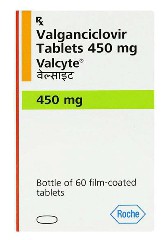
Furthermore, the dosage and course of treatment of Vancevi must be strictly adhered to the doctor's instructions. The usual prophylactic dose for kidney transplant patients is 900 mg per day, taken in two divided doses, and the course of treatment is generally 3 to 6 months. For already appearedCMVIn infected patients, treatment doses and duration will be longer, and efficacy and side effects will need to be closely monitored. During the medication process, patients should maintain regular medication and avoid missing doses or stopping medication at will to ensure that the virus is effectively controlled and to prevent the occurrence of drug resistance.
Finally, there are a number of safety precautions you need to pay attention to when taking Vancevir. The first is renal function monitoring. Since valganciclovir is mainly excreted through the kidneys, the dose needs to be adjusted to reduce toxicity when renal function decreases. Secondly, Vancevir may cause bone marrow suppression, leading to a decrease in white blood cells and platelets, so routine blood tests are required. In addition, patients should avoid concomitant use with other nephrotoxic drugs to reduce the risk of kidney damage. Finally, if serious adverse reactions occur during medication, such as fever, worsening of infection symptoms, severe fatigue, etc., you should seek medical treatment in time.
In summary, after kidney transplantation, it is generally recommended to start taking Vancevir within 48 hours after the operation. The specific starting time and dosage should be adjusted individually based on the patient's renal function and infection risk. Regular medication use and strict monitoring are key to ensuring efficacy and safety. Through rational use of Vancevir, CMV infection can be effectively prevented and controlled, kidney transplant function can be protected, and patient survival rate and quality of life can be improved. Kidney transplant patients should follow medical advice and have regular follow-up visits to ensure smooth progress of treatment.
Reference materials:https://go.drugbank.com/drugs/DB01610
[ 免责声明 ] 本页面内容来自公开渠道(如FDA官网、Drugs官网、原研药厂官网等),仅供持有医疗专业资质的人员用于医学药学研究参考,不构成任何治疗建议或药品推荐。所涉药品可能未在中国大陆获批上市,不适用于中国境内销售和使用。如需治疗,请咨询正规医疗机构。本站不提供药品销售或代购服务。


