
.jpeg)
What are the side effects of using Romiplostim?
Romiplostim (Romiplostim) is a humanized thrombopoietin receptor agonist (TPO-RA), mainly used to treat chronic immune thrombocytopenia (ITP) and other thrombocytopenia-related diseases. It stimulates the proliferation and maturation of megakaryocytes in the bone marrow by simulating the action of thrombopoietin (TPO), thereby increasing platelet production. In clinical applications, romigrastim has been proven to effectively increase platelet counts, reduce the risk of bleeding, and help reduce or even discontinue glucocorticoids. However, like all drugs, romigrastim also has some potential adverse reactions and safety risks during use, and patients and doctors need to pay sufficient attention when using it.
First, the most common side effects of romiplostim are headache and fatigue. According to clinical research data, some patients will experience mild to moderate headaches in the first few days after injection of romiplostim. This discomfort is mostly temporary and can be relieved by taking appropriate rest or using drugs such as acetaminophen. In addition, fatigue is also a relatively common side effect, which may be related to the drug's regulation of the immune system or bone marrow metabolism. Most patients can tolerate it without affecting the continuation of treatment.
Second, some patients may be at increased risk of developing myelofibrosis during use. Long-term stimulation of bone marrow may lead to slight changes in bone marrow structure, manifested as fibrous tissue hyperplasia. Especially in patients who have been using it for several months or even years, regular bone marrow examinations are needed to assess the risk. However, most early-stage myelofibrosis is reversible and can improve by stopping the drug or adjusting the dose once the problem is discovered. The current incidence of such side effects is low, but requires close monitoring during long-term treatment.
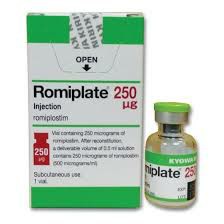
Third, the risk of thrombosis is also one of the important issues that must be considered when using romigrastim. Although romiplostim is designed to correct the problem of low platelets, if the platelets rise too quickly or exceed the safe threshold (such as exceeding 400×10⁹/L), it may increase blood viscosity, leading to complications such as venous thrombosis, pulmonary embolism or arterial thrombosis. Particular caution is needed in patients with preexisting cardiovascular disease, advanced age, or limited mobility. To avoid such risks, doctors usually adjust the dose regularly based on the patient's platelet count, and advise patients to avoid stopping the drug suddenly or increasing the dose on their own.
In addition, romiplostim may also cause immune-related reactions, such as mild rash, injection site redness and swelling, allergic reactions, etc. Most of these reactions are mild, but in rare cases, severe allergic reactions or anaphylactoid reactions may occur, so the first injection should be given in a medical facility with emergency facilities. Some patients may also experience flu-like symptoms, such as fever, sore throat, muscle aches, etc., which are usually temporary and will gradually reduce as the treatment time increases.
Finally, it is worth noting that rebound thrombocytopenia after treatment interruption is also a potential risk of romigrastim. In some patients, the platelet count may drop rapidly after stopping the drug, even lower than the level before treatment, increasing the risk of serious bleeding. Therefore, when considering discontinuation or dose reduction, it is necessary to gradually transition, closely monitor platelet changes, and provide alternative treatment if necessary.
In summary, romiplostim is an important drug for the treatment of chronic immune thrombocytopenia and has definite clinical efficacy. However, during use, you need to be alert to a series of side effects, such as headache, myelofibrosis, thrombosis, immune response, and rebound thrombocytopenia. In order to ensure the safety of medication, patients should strictly follow the doctor's instructions for treatment, regularly monitor blood routine and liver and kidney function, and reasonably evaluate the efficacy and risks under the guidance of a doctor, so as to achieve the best treatment effect and quality of life.
Reference: https://en.wikipedia.org/wiki/Romiplostim
[ 免责声明 ] 本页面内容来自公开渠道(如FDA官网、Drugs官网、原研药厂官网等),仅供持有医疗专业资质的人员用于医学药学研究参考,不构成任何治疗建议或药品推荐。所涉药品可能未在中国大陆获批上市,不适用于中国境内销售和使用。如需治疗,请咨询正规医疗机构。本站不提供药品销售或代购服务。


