
.jpeg)
How long does it usually take to stop taking Valganciclovir? Treatment cycle and discontinuation timing
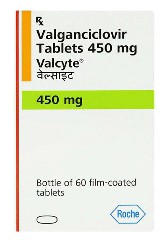
Valganciclovir (Valganciclovir) is a broad-spectrum antiviral drug commonly used to prevent and treat infections caused by cytomegalovirus (CMV). It is especially suitable for patients with low immune function, such as after organ transplantation, AIDS patients or tumor patients during chemotherapy. Due to the high severity and recurrence risk of CMV infection, the treatment cycle and discontinuation timing of valganciclovir need to be comprehensively judged based on the patient's specific situation, viral load and immune status, and cannot be generalized.
First of all, the service life of Vansavi mainly differs according to its use. If used to treat CMV infection, the course of treatment is usually 21 days to 42 days (3~6 weeks). Taking CMV disease after transplantation as an example, the recommended dose after diagnosis is 900 mg orally twice a day for three weeks. The purpose of this stage is to inhibit virus replication as quickly as possible, relieve symptoms, and prevent the spread of the virus to other organs. If the patient starts with a high viral load or has internal organ invasion, the doctor may recommend extending the treatment to about 6 weeks. However, in principle, patients who continue to take the drug for more than 6 weeks need to strengthen renal function monitoring, because Vancevir has certain nephrotoxicity.
If it is used for CMV prevention (such as post-operative preventive treatment for organ transplant patients), the recommended course of treatment is longer, usually 100 to < /span>200 days (3~6 months), the specific time varies according to the type of organ. For example, kidney transplant patients usually wait 3 months after transplantation. Lung or small intestine transplants are recommended for at least 6 months or even longer due to higher risks. The goal of this type of preventive program is to prevent potential CMV reactivation and related complications and reduce the risk of later CMV disease.
Secondly, the timing of drug withdrawal cannot simply rely on the number of days of taking the drug, but needs to be comprehensively judged based on multiple indicators. For therapeutic use, the following conditions usually need to be met before discontinuation:
1. The viral load test is negative or continues to be at a low level: multiple negative nucleic acid tests are the most important basis for discontinuing medication, indicating that the virus in the body is effectively controlled;
2.Clinical symptoms disappear: such as fever, fatigue, leukopenia, etc.CMVRelated symptoms are completely relieved;
3.The immune function has been restored or stabilized: Especially for HIV or transplant patients, if the immune function is still extremely low, they are prone to relapse after stopping the drug.
In preventive use scenarios, discontinuation of medication also needs to be based on whether the patient enters a low-risk state. For example, if a patient after kidney transplantation does not develop CMV infection after taking Vancevir for 6 months and is in a stable immune state (such as an increase in CD4 cell count), discontinuation of the drug can usually be considered. However, if there are special circumstances such as rejection or an increase in the dose of immunosuppressant, the doctor may extend the prevention time.
In addition, the drug safety of valganciclovir also needs to be paid attention to. Long-term use may lead to adverse reactions such as leukopenia, neutropenia, and platelet decline, so long-term and indefinite use is not recommended. Before stopping the drug, it is necessary to check blood routine, liver and kidney function, and monitor the possible risk of bone marrow suppression. Once obvious toxic reactions occur, doctors may reduce the dose or discontinue the drug early and consider other alternative treatment strategies.
It is important to note that some patients are still at risk of relapse after stopping the drug. Studies have shown that, especially among patients who received hematopoietic stem cell transplantation (HSCT), even if the virus is initially controlled, about 20% to 30% relapse within a few weeks after stopping the drug. Therefore, some doctors recommend continuing to dynamically detect CMV DNA levels after stopping medication, and follow up 2~4 times weekly, at least for 1 to 2months to detect signs of recurrence early and intervene promptly.
To sum up, Valganciclovir (valganciclovir) is not "you can stop after taking enough time". Its treatment cycle needs to be comprehensively considered based on the purpose (treatment or prevention), the patient's immune status, viral load and side effect tolerance. General therapeutic use is 3~6 weeks, and preventive use may last as long as 3~6 months. Discontinuation of the drug must meet multiple conditions such as resolution of clinical symptoms, negative viral load, and stable immunity, and close follow-up is required to prevent recurrence. Patients should not extend or shorten the course of treatment on their own, and should take medication under the guidance of a professional doctor to ensure efficacy and safety.
Reference materials:https://go.drugbank.com/drugs/DB01610
[ 免责声明 ] 本页面内容来自公开渠道(如FDA官网、Drugs官网、原研药厂官网等),仅供持有医疗专业资质的人员用于医学药学研究参考,不构成任何治疗建议或药品推荐。所涉药品可能未在中国大陆获批上市,不适用于中国境内销售和使用。如需治疗,请咨询正规医疗机构。本站不提供药品销售或代购服务。


