
.jpeg)
Will relapse occur after discontinuation of decavatinib? Effects of treatment interruption
Deucravacitinib is an oral, selective Tyk2 (tyrosine kinase 2) inhibitor used to treat moderate to severe plaque psoriasis. The drug modulates the immune response and relieves skin symptoms by blocking inflammatory signaling pathways such as IL-23, IL-12 and I type interferon mediated by Tyk2. Due to its strong target specificity, it has better safety and tolerability than traditional JAK inhibitors.
For patients who have been treated with deuterated colexitinib and achieved significant results, there is a possibility of relapse once the drug is discontinued. Psoriasis is a chronic, recurring immune-mediated disease. After stopping immunomodulatory treatment, the inflammatory pathways of the immune system may become active again, leading to recurrence or aggravation of skin lesions. In clinical trials, it was found that some patients experienced symptom rebound weeks to months after stopping deuterated colexitinib treatment, suggesting that the maintenance use of the drug is of great significance in controlling the disease.
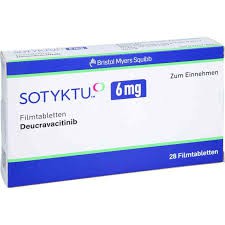
If there are interruptions during treatment, such as suspension of medication due to missed doses, voluntary discontinuation or other reasons, the efficacy may also be affected. Short-term interruption may lead to a decrease in the blood concentration of the drug, reactivating the Tyk2 signaling pathway, thereby causing symptom fluctuations or mild recurrence; while long-term interruption is more likely to cause the disease to significantly rebound, or even return to the state before treatment. Therefore, doctors usually advise patients to stick to regular medication and consult a doctor to assess the risks when discontinuation is necessary.
In general, although deuterated colexitinib has good efficacy and safety, it still requires continuous medication to maintain stable control of the disease. If patients need to discontinue medication or adjust the regimen, they should do so under the guidance of a doctor and closely monitor changes in their condition. If the condition relapses, remission can often be regained by resuming treatment in a timely manner. Scientific and standardized medication management is the key to long-term control of psoriasis.
Reference materials:https://go.drugbank.com/drugs/DB16650
[ 免责声明 ] 本页面内容来自公开渠道(如FDA官网、Drugs官网、原研药厂官网等),仅供持有医疗专业资质的人员用于医学药学研究参考,不构成任何治疗建议或药品推荐。所涉药品可能未在中国大陆获批上市,不适用于中国境内销售和使用。如需治疗,请咨询正规医疗机构。本站不提供药品销售或代购服务。


