
.jpeg)
What indicators need to be monitored regularly during treatment with dasatinib?
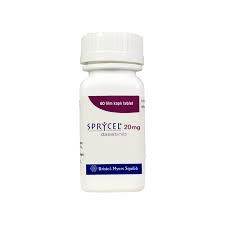
Dasatinib (Dasatinib) plays an important role in the treatment of chronic myelogenous leukemia (CML) and Ph+ acute lymphoblastic leukemia (Ph+ALL). However, multiple clinical indicators still need to be closely monitored during its treatment to ensure drug efficacy and early detection of potential toxic reactions. Among them, one of the most basic and critical monitoring contents is hematological indicators, including white blood cell count, neutrophils, hemoglobin and platelet levels. These indicators can be used to evaluate the severity of myelosuppression and promptly detect possible pancytopenia, thereby guiding whether dose adjustment or temporary discontinuation is needed. Because hematological toxicity of dasatinib is common, especially in the early stages of treatment, it is necessary to monitor blood routine weekly or every two weeks.
In addition, liver and kidney function are also important monitoring indicators during dasatinib treatment. Although this drug is primarily metabolized by the liver, some patients may experience elevated liver enzymes or changes in renal function, especially those treated with other medications or with underlying medical conditions. Therefore, it is necessary to regularly detect biochemical indicators such as ALT, AST, bilirubin, creatinine, and urea nitrogen to avoid irreversible damage caused by organ toxicity. ECG monitoring cannot be ignored, especially for patients with preexisting QT interval prolongation or those receiving QT prolonging drugs. The QTc interval should be checked regularly to prevent the occurrence of serious arrhythmias.
Molecular and cytogenetic testing are equally important for assessing response to treatment. Regular quantitative PCR testing ofBCR-ABL fusion gene can determine the degree of molecular response and is a core method for evaluating disease control. Chromosome analysis or FISH testing is used to determine cytogenetic response, which is especially important in the treatment of CML. After dasatinib treatment, if molecular or cytogenetic remission cannot be achieved within the expected time, the presence of resistance mutations, such as T315I mutation, should be evaluated and switching to other TKIs should be considered.
Reference materials:https://go.drugbank.com/drugs/DB01254
[ 免责声明 ] 本页面内容来自公开渠道(如FDA官网、Drugs官网、原研药厂官网等),仅供持有医疗专业资质的人员用于医学药学研究参考,不构成任何治疗建议或药品推荐。所涉药品可能未在中国大陆获批上市,不适用于中国境内销售和使用。如需治疗,请咨询正规医疗机构。本站不提供药品销售或代购服务。


