
.jpeg)
What serious adverse reactions should I be wary of while taking Besudil? How to identify early
Although Belumosudil mesylate tablets (Belumosudil) are generally well tolerated in the treatment of cGVHD, as a type of immunomodulator targeting ROCK2, there is still a certain risk of adverse reactions. Especially during long-term use, early identification of potential serious side effects is particularly important. In clinical practice, attention should be paid to warning signs such as abnormal liver function, gastrointestinal discomfort, and blood system reactions. In particular, elevated transaminases, a manifestation of hepatotoxicity, may be a dose-related reaction in some patients. If not detected and intervened in time, it may aggravate liver cell damage. Therefore, regular monitoring of ALT, AST and bilirubin levels is a key measure to ensure the safety of medication, especially during the initial period of medication or when other hepatotoxic drugs are used in combination.
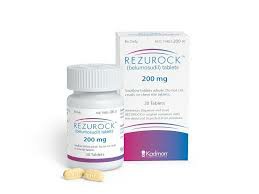
In addition, although gastrointestinal reactions such as nausea and diarrhea are mostly mild to moderate, in patients with cGVHD whose immune function is already low, continued weight loss, electrolyte imbalance or dehydration may cause secondary complications, so great attention must be paid to their dynamic changes. A few reports also suggest that besudil may cause an increase in creatine kinase. It is necessary to pay attention to symptoms such as muscle pain or fatigue, and rule out the possibility of drug-induced rhabdomyolysis. Although severe bone marrow suppression is rare, it is still recommended to check blood routine regularly, especially when used in combination with other immunosuppressants, to prevent infection or bleeding tendencies caused by low platelets or white blood cells.
Drug interactions are also a factor that cannot be ignored. The metabolism of besudil involves the CYP enzyme system. If it is used together with strong inhibitors or inducers of CYP3A4, it may cause fluctuations in blood concentration, thereby increasing the risk of toxicity or unstable efficacy. In clinical practice, preventive management of adverse reactions can be achieved through detailed drug history assessment and pharmacokinetic monitoring. Patient self-reporting systems are also critical, and medical staff should educate patients to recognize warning signs of serious reactions such as rash, jaundice, severe diarrhea, and bleeding tendencies, and seek prompt medical treatment.
Reference: https://www.drugs.com/pro/rezurock.html
[ 免责声明 ] 本页面内容来自公开渠道(如FDA官网、Drugs官网、原研药厂官网等),仅供持有医疗专业资质的人员用于医学药学研究参考,不构成任何治疗建议或药品推荐。所涉药品可能未在中国大陆获批上市,不适用于中国境内销售和使用。如需治疗,请咨询正规医疗机构。本站不提供药品销售或代购服务。


