
.jpeg)
What drug interactions should you pay attention to when using fotantinib/fotantinib?
Fostamatinib is an oral tyrosine kinase inhibitor that mainly exerts an immunomodulatory effect by inhibiting splenic tyrosine kinase (SYK). It is mainly used to treat chronic immune thrombocytopenia (ITP) and other diseases. In clinical application, the drug interaction problem of fotantinib deserves special attention, especially because its metabolism mechanism mainly depends on the CYP3A4 enzyme system and UDP-glucuronosyltransferase (UGT) pathway in the liver. Therefore, the use of drugs related to these pathways needs to be extremely cautious.
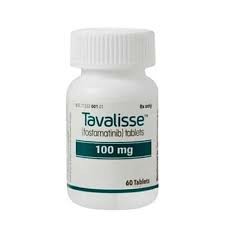
The active metabolite of fotantinib in the body isR406, and its pharmacological effect is highly consistent with that of the original drug. Therefore, once other drugs affect the metabolic process of R406, it may lead to abnormal drug efficacy or increased toxicity. For example, if a patient concurrently uses strong CYP3A4 inhibitors (such as ketoconazole, clarithromycin, etc.), the blood concentration of R406 may increase and increase the risk of side effects, such as hypertension, diarrhea, or abnormal liver function. On the contrary, if CYP3A4 inducers (such as rifampicin, carbamazepine, etc.) are used concomitantly, the efficacy of fotantinib may be reduced and is not conducive to platelet recovery. In addition, R406 itself may also inhibit P-glycoprotein, so it may affect the excretion of certain P-gp substrate drugs (such as digoxin, dabigatran, etc.), thus changing the pharmacokinetic properties of these drugs.
At the same time, fotantinib has the potential to increase blood pressure, so you need to be alert to blood pressure fluctuations when combined with other vasopressor drugs or renin-angiotensin system modulators. Because fotantinib may cause elevations in liver enzymes, regular monitoring of liver function is required during concomitant use of hepatotoxic drugs. In addition, special caution should be exercised when fotantinib is used concomitantly with anticoagulants because it may indirectly affect bleeding risk through platelet mechanisms, especially in patients receiving concomitant aspirin, warfarin, or newer oral anticoagulants.
Reference materials:https://go.drugbank.com/drugs/DB12010
[ 免责声明 ] 本页面内容来自公开渠道(如FDA官网、Drugs官网、原研药厂官网等),仅供持有医疗专业资质的人员用于医学药学研究参考,不构成任何治疗建议或药品推荐。所涉药品可能未在中国大陆获批上市,不适用于中国境内销售和使用。如需治疗,请咨询正规医疗机构。本站不提供药品销售或代购服务。


