
.jpeg)
Which drugs are more effective when combined with bedaquiline?
Bedaquiline (Bedaquiline) is currently one of the important new drugs for the treatment of drug-resistant tuberculosis. Its unique mechanism of action mainly inhibits the ATP synthase of Mycobacterium tuberculosis, thus blocking its energy production, and has the dual ability to kill active and resting strains. In actual clinical applications, bedaquiline is usually not used alone, but in combination with other anti-tuberculosis drugs to enhance efficacy, shorten the course of treatment, and reduce the incidence of drug resistance. International treatment standards recommend that bedaquiline is often combined with linezolid, levofloxacin, clofazimine, prothionamide, ethambutol and other drugs to form an individualized multi-drug treatment plan. When treating patients with multidrug-resistant (MDR-TB) or extensively drug-resistant tuberculosis (XDR-TB), the combination of bedaquiline and linezolid is considered to be one of the most promising core combination regimens because the two are complementary in mechanism and exhibit significant synergistic effects against refractory strains.
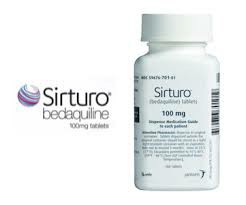
Research shows that in a multi-drug combination basic regimen, the introduction of bedaquiline can significantly increase the bacterial negative conversion rate and improve the treatment completion rate. In many countries with high incidence of tuberculosis around the world, the drug has been included in the first-line regimen recommended by the World Health Organization (WHO) to replace more toxic injectable drugs. Of note, bedaquiline may also be used in combination with fluoroquinolones such as moxifloxacin or levofloxacin, but the risk of QT prolongation should be carefully monitored. In addition, bedaquiline should not be used simultaneously with strong CYP3A4 inducers such as rifampin to avoid reducing its concentration in the body and thus weakening the therapeutic effect.
When combining drugs, it is necessary to comprehensively consider multiple factors such as pharmacokinetics, toxicity risk, and drug-drug interactions to formulate an individualized treatment plan. Especially in areas with limited resources, rational use of the short-course treatment regimen recommended by WHO and inclusion of bedaquiline can optimize compliance and cost-effectiveness while ensuring efficacy.
Reference materials:https://en.wikipedia.org/wiki/Bedaquiline
[ 免责声明 ] 本页面内容来自公开渠道(如FDA官网、Drugs官网、原研药厂官网等),仅供持有医疗专业资质的人员用于医学药学研究参考,不构成任何治疗建议或药品推荐。所涉药品可能未在中国大陆获批上市,不适用于中国境内销售和使用。如需治疗,请咨询正规医疗机构。本站不提供药品销售或代购服务。


