
.jpeg)
Description of common side effects after Romiplostim injection
Romiplostim is a recombinant fusion protein that is a pro-thrombopoietic agent. It is mainly used to treat patients with chronic immune thrombocytopenic purpura (ITP). It helps increase platelet count and reduce the risk of bleeding by stimulating megakaryocytes in the bone marrow to produce more platelets. Although romiplostim has shown good clinical efficacy, some side effects may still occur after injection. Patients and doctors should pay sufficient attention to and understand these adverse reactions.
First, the most common side effect is an injection site reaction, which includes pain, redness, itching, or induration. These reactions are usually localized, mild and transient, and resolve spontaneously in most patients without the need for special treatment. Pay attention to aseptic operation when injecting and avoid repeated injections into the same site, which will help reduce local discomfort.
Secondly, romiplostim may cause systemic symptoms such as headache, fatigue, joint pain, and myalgia. Headache is a common side effect during medication. Some patients may experience mild to moderate headache, which can usually be relieved by taking appropriate rest and using painkillers. Although fatigue and muscle and joint pain are uncommon, they still require attention. Especially if the symptoms persist or worsen, you should inform your doctor in time.
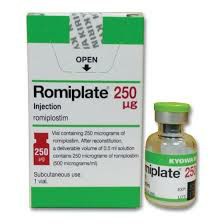
In addition, hematological side effects mainly include excessive platelet elevation (high platelet count) and the risk of myelofibrosis. Romigrastim works by promoting platelet production. If the dose is not properly controlled, it may cause an abnormal increase in platelet count, increase the risk of thrombosis, and lead to venous or arterial thrombotic events. Therefore, the platelet count needs to be monitored regularly during treatment, and the doctor will adjust the dose based on the test results to avoid excessive platelet count. Long-term use of romiplostim may cause structural changes in the bone marrow, such as myelofibrosis, which is the proliferation of bone marrow fibrous tissue and affects normal blood cell production. Although this condition is rare, bone marrow function needs to be checked regularly, especially in patients who have been treated for a longer period of time.
In addition, some patients may experience an increased risk of infection, such as respiratory tract infection, urinary tract infection and other symptoms, which may be related to the state of the immune system and underlying diseases. If patients develop fever, cough, frequent urination, urgency and other symptoms, they should seek medical treatment in time. Although allergic reactions are rare, if allergic symptoms such as rash, itching, difficulty breathing, swelling of the face or lips occur, you need to stop taking the medication immediately and seek emergency treatment.
Taken together, most of the side effects of romiplostim are controllable and mild to moderate, but patients should closely cooperate with their doctors during use and conduct regular hematological examinations and physical condition assessments to ensure timely detection and treatment of adverse reactions. Rational medication use and scientific monitoring can ensure the therapeutic effect and medication safety to the greatest extent, help patients better control thrombocytopenia symptoms, and improve their quality of life.
Reference: https://en.wikipedia.org/wiki/Romiplostim
[ 免责声明 ] 本页面内容来自公开渠道(如FDA官网、Drugs官网、原研药厂官网等),仅供持有医疗专业资质的人员用于医学药学研究参考,不构成任何治疗建议或药品推荐。所涉药品可能未在中国大陆获批上市,不适用于中国境内销售和使用。如需治疗,请咨询正规医疗机构。本站不提供药品销售或代购服务。


