
.jpeg)
Osimertinib Recommended Usage and Daily Dosage Standards
Osimertinib is a third-generation epidermal growth factor receptor tyrosine kinase inhibitor (EGFR-TKI). It is mainly used to treat patients with epidermal growth factor receptor (EGFR) mutation-positive non-small cell lung cancer, especially for EGFR Patients positive for T790Mdrug resistance mutations showed significant efficacy. As a targeted therapy drug, osimertinib selectively inhibits the mutant EGFR signaling pathway to block the proliferation and metastasis of cancer cells, thereby achieving the purpose of controlling tumors. Its usage and dosage directly affect the efficacy and safety. The correct way of taking and dosage adjustment are the keys to ensuring the success of patient treatment.
First, the standard recommended dose of osimertinib is 80mg once daily. Patients should try to take the medicine at the same time every day to maintain the stability of the blood concentration of the medicine in the body and ensure the continued effectiveness of the medicine. Osimertinib is usually taken orally in the form of tablets, which should be swallowed whole by the patient and should not be chewed, crushed or broken to avoid affecting the release and absorption of the drug. The drug can be taken on an empty stomach or with food, but it is recommended to keep the medication time consistent so that the drug concentration can be kept constant and reduce fluctuations in efficacy caused by irregular medication times.
For some patients with impaired liver or kidney function, doctors may adjust the dose based on the specific situation. For example, patients with severe hepatic impairment should be used with caution and may need to reduce the dose or extend the dosing interval. Nonetheless, the vast majority of patients tolerate the recommended doses. Patients should regularly undergo liver and kidney function, blood routine and other tests during the medication period to detect potential side effects and abnormal drug metabolism in a timely manner to ensure medication safety.
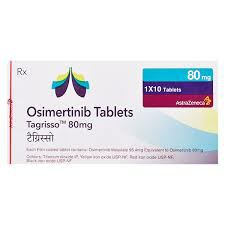
Osimertinib treatment is usually long-term maintenance treatment. Unless intolerable adverse reactions or disease progression occurs, patients are generally not recommended to discontinue the drug or adjust the dose on their own. The purpose of long-term medication is to continuously inhibit tumor growth, delay disease progression, and improve patients' quality of life. If adverse reactions such as rash, diarrhea, stomatitis, pneumonia, etc. occur, patients should inform their doctor in time. Depending on the severity of the side effects, doctors may take appropriate measures, such as symptomatic treatment, temporary discontinuation of medication, or dose adjustment, to ensure that patients can continue treatment safely.
During the treatment process, patients need to cooperate with the doctor's monitoring plan and undergo regular imaging examinations to evaluate tumor response, such as CT or MRI scans to determine the effect of treatment. Blood tests are also important to help understand how the drug is metabolized and whether bone marrow suppression occurs. In response to drug resistance discovered during treatment, doctors may consider whether it is necessary to adjust the treatment plan or replace other targeted drugs based on the results of genetic testing.
In addition, patients should avoid taking certain drugs together while taking osimertinib to avoid drug interactions that may affect the efficacy. For example, certain potentCYP3A4Inducers or inhibitors may affect the plasma concentration of osimertinib, resulting in reduced efficacy or enhanced toxicity. Patients should proactively inform their doctors about all the drugs and health care products they are taking, and the doctor will make adjustments or give corresponding guidance according to the situation.
For elderly patients or patients with weak physical conditions, doctors will also consider their liver and kidney function, concomitant medications and overall health status to formulate a personalized medication plan. Although the standard dose is 80 mg once daily, in some cases a dose adjustment or divided administration may be safer and more effective.
In summary, the recommended usage of osimertinib is 80 mg/span>orally administered once daily. Patients should maintain consistent medication time to ensure stable drug blood concentration. Regular monitoring of liver and kidney function and tumor response, and timely treatment of side effects are the basis for ensuring the safety and effectiveness of treatment. Only by maintaining good communication with doctors and strictly following medical instructions can patients maximize the therapeutic potential of osimertinib, delay disease progression, and improve quality of life. Through scientific and standardized medication, osimertinib provides new and effective treatment hope for patients with EGFR mutated non-small cell lung cancer.
Reference materials:https://go.drugbank.com/drugs/DB09330
[ 免责声明 ] 本页面内容来自公开渠道(如FDA官网、Drugs官网、原研药厂官网等),仅供持有医疗专业资质的人员用于医学药学研究参考,不构成任何治疗建议或药品推荐。所涉药品可能未在中国大陆获批上市,不适用于中国境内销售和使用。如需治疗,请咨询正规医疗机构。本站不提供药品销售或代购服务。


