
.jpeg)
What are the possible reactions during the early stages of taking trametinib?
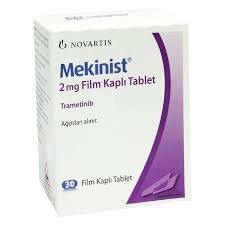
Trametinib is an oral small molecule targeted drug mainly used to treat certain patients with melanoma and non-small cell lung cancer who carry BRAF gene mutations. As a MEK inhibitor, trametinib can interfere with the signaling pathways within tumor cells, thereby inhibiting tumor growth and spread. Although trametinib has shown good efficacy in clinical treatment, patients may experience a series of reactions in the early stages of taking the drug, which include common adverse reactions and may also involve some serious side effects. Understanding these initial reactions can help patients better cope with the treatment process, communicate with doctors in a timely manner, and ensure safe medication use.
First of all, one of the most common reactions in the early stages of taking trametinib is skin reaction. Patients may experience symptoms such as rash, itching, dryness, redness, swelling, and even peeling. This is because trametinib not only affects tumor cells, but may also affect the metabolism and regeneration of normal skin cells by inhibiting the intracellular MEK signaling pathway. Most skin reactions are mild or moderate and usually appear within the first few weeks of treatment. Some patients will gradually reduce or disappear after a period of adaptation. To relieve skin discomfort, your doctor may recommend a moisturizer, topical steroid cream, or antihistamine. At the same time, patients should avoid direct sunlight and the use of harsh skin care products to reduce the severity of skin reactions.
Secondly, patients may also experience fatigue and digestive system symptoms in the early stages of taking the medication. Fatigue is a common systemic adverse reaction of trametinib. Patients may feel listless and weak, which is usually related to the drug's effect on systemic cell metabolism. Regarding the digestive system, patients may experience nausea, diarrhea, abdominal pain, or loss of appetite. Most of these reactions are mild to moderate and occur early in treatment. It is recommended that patients adjust their diet reasonably, avoid greasy and spicy foods, and maintain adequate fluid intake. If necessary, antidiarrheal drugs or gastrointestinal protective agents can be used under the guidance of a doctor to help relieve discomfort.
In addition, trametinib may cause effects on cardiac function, especially a decrease in cardiac left ventricular ejection fraction (LVEF). Although this side effect is relatively rare, when it occurs, it can seriously affect a patient's heart health. Therefore, doctors usually arrange heart function-related tests, such as electrocardiograms and echocardiograms, in the early stages of taking medication to detect abnormalities early. If cardiac function is found to be impaired, the doctor will adjust the dose or suspend the medication according to the situation. Patients should pay attention to whether symptoms such as chest pain, shortness of breath, palpitations, etc. occur while taking the medicine, and report to the doctor in time.
Finally, ocular toxicity is also a problem that needs attention in the early stage of taking trametinib. Some patients may experience blurred vision, dry eyes, eye pain, or even retinopathy. When eye discomfort occurs, you should seek medical attention as soon as possible and undergo an eye examination. Preventive measures include regular eye examinations and prompt detection and treatment of potential eye problems to avoid the occurrence of visual impairment.
In general, possible reactions during the early stages of trametinib mainly include skin reactions, fatigue and gastrointestinal symptoms, effects on cardiac function and eye toxicity. Most of these reactions can be effectively controlled through timely monitoring and treatment. Patients should pay close attention to physical changes during medication, and actively cooperate with doctors to conduct relevant examinations and treatment adjustments to avoid aggravation of adverse reactions. Reasonable drug management and lifestyle adjustment will help patients complete treatment safely and successfully and improve treatment effects.
Reference materials:https://go.drugbank.com/drugs/DB08911
[ 免责声明 ] 本页面内容来自公开渠道(如FDA官网、Drugs官网、原研药厂官网等),仅供持有医疗专业资质的人员用于医学药学研究参考,不构成任何治疗建议或药品推荐。所涉药品可能未在中国大陆获批上市,不适用于中国境内销售和使用。如需治疗,请咨询正规医疗机构。本站不提供药品销售或代购服务。


