
.jpeg)
How to deal with the side effects of Axitinib in time
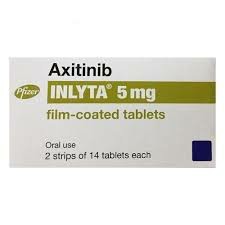
Axitinib is an oral tyrosine kinase inhibitor used primarily to treat advanced renal cell carcinoma, especially in patients who have failed one prior systemic therapy. Although axitinib is widely used clinically and has good efficacy in most patients, it may still be accompanied by a series of side effects during treatment. These side effects may affect the patient's quality of life and even efficacy, so timely identification and correct treatment are critical. The following will introduce in detail the common side effects of axitinib and how to deal with it to help patients treat it more safely and effectively during the use of the drug.
1. Common side effects of axitinib
1.Hypertension
One of the most common adverse reactions of axitinib is hypertension, which may occur early in the treatment. The reason is that the drug affects vascular function by inhibiting vascular endothelial growth factor receptor (VEGFR), leading to increased vasoconstriction.
2.Diarrhea
Diarrhea is one of the common gastrointestinal discomforts experienced by patients. If not properly controlled, it can cause electrolyte imbalance or malnutrition.
3.Weakness and fatigue
Many patients will experience varying degrees of fatigue during medication, which is related to the drug metabolism process and the energy consumption of the tumor itself.
4.Hand-foot syndrome
Symptoms include redness, stinging, swelling, or peeling of the skin on the palms and soles of the feet, and is also common in patients taking axitinib for a long time.
5.Loss of appetite and weight loss
Axitinib may cause problems such as loss of appetite, nausea, and vomiting, leading to weight loss.
6.Hypothyroidism
Long-term use of axitinib can affect thyroid hormone levels and cause symptoms of hypothyroidism, such as chills, constipation, and listlessness.
7.Oral mucositis or oral ulcers
Some patients may experience oral discomfort, pain or oral ulcers during treatment, which affects eating.
2. Response and treatment methods of side effects
1.Coping with high blood pressure
Patients are advised to have a baseline blood pressure assessment before taking the medication and to have their blood pressure measured regularly during treatment. Once elevated blood pressure is found, it can be controlled by adjusting lifestyle (such as low-salt diet, increasing exercise) and using antihypertensive drugs (such as calcium channel blockers or ACEI). If blood pressure continues to rise, your doctor may consider suspending or adjusting the dose of axitinib.
2.Treatment of diarrhea
When diarrhea occurs, water and electrolyte intake should be increased. Antidiarrheal drugs such as loperamide may be used to relieve symptoms. Avoid eating high-fiber or irritating foods. If necessary, adjust the dosage or temporarily stop taking the medicine according to your doctor's advice.
3.Relieve fatigue
Fatigue symptoms should be improved through adequate rest, proper nutrition, and moderate exercise. Patients should arrange regular work and rest times to avoid overexertion. If fatigue worsens significantly, it is necessary to evaluate whether there is anemia or thyroid dysfunction.
4.Prevention and management of hand-foot syndrome
In the early stage of treatment, you should take good care of your hands and feet, keep your skin moisturized, and avoid soaking in hot water and severe friction. If symptoms worsen, emollients, cuticle softeners or steroid ointments can be used for symptomatic treatment. In severe cases, the medication may need to be discontinued briefly.
5.Diet and weight management
Patients should be encouraged to eat small, frequent meals and choose foods that are light, easily digestible, and nutritious. If necessary, oral nutritional supplements can be taken or the diet plan can be adjusted under the guidance of a doctor to maintain weight and physical strength.
6.Thyroid function monitoring
It is recommended to check thyroid function every 1~2 months, and supplement thyroid hormone promptly if abnormalities are found. With appropriate treatment, hypothyroidism can be well controlled in most patients.
7.Oral care
Keep your mouth clean and avoid spicy and harsh foods. You can use warm salt water to rinse your mouth to reduce oral mucosal irritation. For mouth ulcers, oral pain relievers or topical anti-inflammatory medications may be used.
3. How to monitor and communicate with doctors
Patients should maintain close contact with their doctors while taking axitinib and undergo regular reexaminations, including blood pressure monitoring, blood routine, liver and kidney function, electrolyte levels and thyroid function. Any early symptoms of side effects should be reported to the doctor promptly for timely intervention and adjustment of the medication plan. Doctors may flexibly adjust the dose of axitinib according to the patient's tolerance, usually starting from 5mg and gradually adjusting to 7mg or 10mg to achieve the best effect.
Although axitinib has good anti-tumor effects, its side effects cannot be ignored. Through early identification and standardized treatment, such as hypertension control, diarrhea management, fatigue response, thyroid monitoring, etc., most patients can maintain treatment safely and long-term. Patients themselves should also maintain good living habits, conduct regular check-ups, actively cooperate with doctors’ guidance, and scientifically manage side effects, thereby prolonging life and improving quality of life.
Reference materials:https://en.wikipedia.org/wiki/Axitinib
[ 免责声明 ] 本页面内容来自公开渠道(如FDA官网、Drugs官网、原研药厂官网等),仅供持有医疗专业资质的人员用于医学药学研究参考,不构成任何治疗建议或药品推荐。所涉药品可能未在中国大陆获批上市,不适用于中国境内销售和使用。如需治疗,请咨询正规医疗机构。本站不提供药品销售或代购服务。


