
.jpeg)
What is the difference between avatrombopag and thaltrombopag?
Avatrombopag (Avatrombopag) and Hetrombopag (Lusutrombopag) are new generation oral thrombopoietin receptor agonists (TPO-RA), mainly used to treat thrombocytopenia, especially thrombocytopenia related to chronic liver disease. However, there are certain differences between the two drugs in terms of structure, indications, mechanism of action, clinical application and side effects. Understanding these differences can help doctors make more precise treatment choices in clinical practice, and also help patients understand their medication plans more clearly.
1. Drug sources and approval status
Avatrombopag was developed by Dova Pharmaceuticals in the United States and later acquired by Swedish Orphan Biovitrum (Sobi). It was approved by the U.S. FDA in 2018 and is mainly used for the treatment of thrombocytopenia in patients with chronic liver disease before elective invasive procedures, as well as chronic immune thrombocytopenia (ITP). At present, avatrombopag has been approved for marketing in China and is included in medical insurance, and patients can obtain it through formal channels.
Hetromopag was developed by Japan's Shionogi Pharmaceutical Company (Shionogi) and was first launched in 2015
2. The difference between indications and user groups
Although both avatrombopag and heltrombopag are used to elevate platelets before surgery in patients with chronic liver disease, they are slightly different in the breadth of indications. In addition to being used for liver disease-related thrombocytopenia, avatrombopag is also widely used in patients with chronic immune thrombocytopenia (ITP). This expanded indication makes its clinical use wider and can be used for a subset of ITP patients who are ineffective or relapsed after first-line treatment.
The current main indications of Hetrombopag are still focused on liver disease-related thrombocytopenia, especially in patients who require surgery or other invasive procedures, and its scope of use is relatively narrow. In addition, the availability of Hetrimbopag is limited as it has not yet been approved in mainland China.
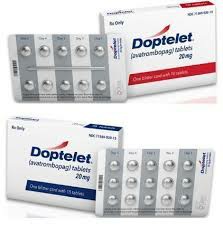
3. Differences in pharmacokinetics and administration methods
The administration method of avatrombopag is relatively flexible. It is usually recommended to take it once a day for 5 days before surgery and to use it continuously for 5 days. The pretreatment of platelet elevation can be completed without injection or hospitalization. It has good oral absorption, is not affected by food, has high bioavailability, short onset of action, stable platelet response, and is convenient for patients and clinical management.
In contrast, Hetrombopag is also administered orally, but it needs to be started once a day 7 to 10 days before surgery. The overall medication cycle is relatively longer, which may place higher requirements on treatment planning. In addition, some studies have pointed out that heltrombopag is slightly inferior to avatrombopag in terms of speed of onset and duration of action, but the clinical difference is not significant, and the specific choice still needs to vary from person to person.
4. Comparison of side effects and safety
The main side effects of both drugs are related to excessive platelet elevation, which may lead to an increased risk of thrombosis, and should be used with caution in patients with hypercoagulability or a history of previous thrombosis. In addition, it may also cause adverse reactions such as mild headache, fatigue, nausea, and abdominal distension.
However, according to existing clinical research data, avatrombopag has a more stable platelet response, less risk of excessive elevation, and better safety. In addition, avatropopag has been shown to have lower rates of thrombotic events in multiple long-term follow-up studies. In some studies, hetrombopag has been observed to increase platelets at a relatively slower rate, and sometimes the dose may need to be adjusted or the medication time may need to be extended.
5. Price and accessibility
At present, avatrombopag has been launched in China and is included in medical insurance, and its price has dropped significantly. After reimbursement by medical insurance, the patient's out-of-pocket payment ratio is significantly reduced, making the drug highly accessible in the country. In contrast, Hatrombopag has not yet been marketed in my country and must be purchased through overseas channels. The price is relatively high, and there are problems such as a long acquisition cycle and difficult drug supervision.
Avatrombopag and Hetrombopag are both TPO receptor agonists in terms of therapeutic principles, but there are obvious differences in the scope of indications, clinical application methods, safety, and accessibility. Avatrombopag has wider indications, faster onset of action, has been marketed in China and is included in medical insurance, making it a more accessible option for domestic patients. Hatrombopag, on the other hand, is mainly used to increase platelets before liver disease surgery. Although it is well used in Japan and some countries, its use in China is relatively limited. Doctors should comprehensively consider the patient's condition, drug availability, and economic status when selecting drugs to formulate a more reasonable individualized treatment plan.
Reference materials:https://go.drugbank.com/drugs/DB11995
[ 免责声明 ] 本页面内容来自公开渠道(如FDA官网、Drugs官网、原研药厂官网等),仅供持有医疗专业资质的人员用于医学药学研究参考,不构成任何治疗建议或药品推荐。所涉药品可能未在中国大陆获批上市,不适用于中国境内销售和使用。如需治疗,请咨询正规医疗机构。本站不提供药品销售或代购服务。


