
.jpeg)
What clinical trials are tucatinib/tucatinib involved in?
Tucatinib/Tucatinib (Tucatinib), as a new generation of highly selective HER2 tyrosine kinase inhibitors, occupies an important position in the field of targeted treatment of HER2-positive breast cancer. Since it was approved by the FDA in 2020, the multiple clinical studies behind it have become the focus of the international oncology community. These trials not only verified the efficacy and safety of tucatinib, but also further solidified its potential in complex clinical scenarios such as brain metastasis, treatment resistance, and combination therapy. Different from traditional HER2-targeted drugs, tucatinib clearly focused on the HER2 kinase domain from the beginning of its design to avoid interfering with EGFR, thus bringing higher target specificity and reducing the occurrence of adverse reactions. This unique molecular mechanism lays the foundation for its entry into a series of clinical studies of strategic significance.
One of the most representative clinical trials is theHER2CLIMB study, which is a multi-center, randomized, double-blind, placebo-controlled Phase III trial that mainly evaluates the therapeutic effect of tucatinib combined with trastuzumab and capecitabine in the treatment of HER2-positive metastatic breast cancer. What is particularly noteworthy is that this study included a large number of patients with brain metastases, becoming the first phase III study of HER2-targeted therapy to explicitly include people with active brain metastases in the analysis. The trial showed that the tucatinib combination regimen showed significant advantages in extending progression-free survival and overall survival, and the control rate of brain metastases was enhanced. The results of HER2CLIMB ultimately directly promoted the approval of tucatinib in the European and American markets, and also became the blueprint for subsequent research designs.
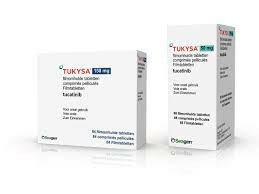
In addition,derivative studies such as HER2CLIMB-02 and HER2CLIMB-05 are further exploring the strategy of combining tucatinib with other anti-HER2 drugs. For example, HER2CLIMB-02 is a phase III study evaluating tucatinib in combination with T-DM1 in patients with HER2-positive breast cancer who have relapsed or progressed after prior treatment with trastuzumab and a taxane. This study aimed to determine whether tucatinib can enhance the efficacy of antibody drug conjugates (ADCs), especially in the setting of micrometastasis or treatment resistance. The trial is currently active and final data have not yet been released, but it has been listed as a key focus project by several international cancer annual conferences.
It is also worth mentioningExploratory studies such as TUXEDO-1 mainly focus on the local effect of tucatinib on brain parenchymal metastases and its penetration into the central nervous system. Because the tucatinib molecule has the ability to cross the blood-brain barrier, clinical researchers are particularly concerned about its efficacy in patients with brain metastases and its potential risk of affecting cognitive function. Early data suggests that the drug can significantly reduce the risk of brain lesion progression, further broadening its treatment boundaries. In a number of ongoing studies, tucatinib has also been introduced into the treatment of other HER2-expressing tumors such as gastric cancer, colorectal cancer, and non-small cell lung cancer. Although it is still in its early stages, its prospects have aroused widespread interest in the scientific research community.
On the whole, the clinical research path of tucatinib not only covers different lines of treatment for HER2-positive breast cancer (from initial treatment to multi-line treatment), but also focuses on exploring combination models with antibodies, chemotherapy and other small molecule targeted drugs in an attempt to establish a more systematic management plan for HER2-positive tumors. At the same time, researchers are gradually introducing biomarker testing in an attempt to screen subtypes of people more suitable for tucatinib treatment through precision medicine strategies, thereby improving its treatment efficiency and reducing the risk of unnecessary drug exposure.
Reference materials:https://www.tukysa.com/
[ 免责声明 ] 本页面内容来自公开渠道(如FDA官网、Drugs官网、原研药厂官网等),仅供持有医疗专业资质的人员用于医学药学研究参考,不构成任何治疗建议或药品推荐。所涉药品可能未在中国大陆获批上市,不适用于中国境内销售和使用。如需治疗,请咨询正规医疗机构。本站不提供药品销售或代购服务。


