
.jpeg)
U.S. Food and Drug Administration approves bezutivan to treat pheochromocytoma and paraganglioma
The U.S. Food and Drug Administration (FDA) recently approved the use of Belzutifan specifically for the treatment of adults and children 12 years of age and older with locally advanced, unresectable or metastatic pheochromocytoma (PPGL) and paraganglioma. This approval marks an important advance in treatment options for patients with this rare tumor.
The approval is based on data from the open-label, Phase 2LITESPARK-015 trial (ClinicalTrials.gov identifier: NCT04924075). This was a multi-cohort study of 72 patients with PPGL who had locally advanced or metastatic disease. None of these patients were candidates for surgery or curative treatment and their blood pressure was adequately controlled. During the study, participants received 120 mg of besetivan orally daily until disease progression or unacceptable toxicity.
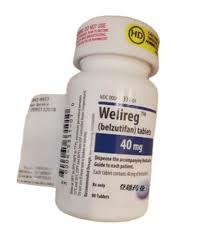
The primary endpoint of the study is objective response rate (ORR), assessed by blinded central review. The results showed an ORR of 26% (95% confidence interval 17-38), meaning that a quarter of all participants went into remission after treatment. In addition, the median duration of response in the secondary endpoint was 20.4 months (95% confidence interval, 8.3, not reached), indicating that some patients can maintain their response for a longer period of time. Of note, 19 of 60 patients (32% [95% CI, 20-45]) who were taking antihypertensive medications had a greater than 50% reduction in at least one antihypertensive medication for at least 6 months, further demonstrating the potential of bestivan to improve overall patient outcomes.
In terms of safety, studies have found that the most common adverse reactions include anemia, fatigue, musculoskeletal pain, lymphopenia, increased alanine aminotransferase, increased aspartate aminotransferase, etc. In addition, patients may experience side effects such as increased calcium, difficulty breathing, increased potassium, decreased white blood cells, headaches, increased alkaline phosphatase, dizziness, and nausea. Despite some adverse effects, patients may still benefit from it relative to treatment options for this type of tumor.
Bezutivan, the main component of Bezutivan, is a drug that targets hypoxia-inducible factor (HIF) and has the ability to regulate cellular responses to hypoxic environments. It is not only suitable for the treatment of PPGL, but also used in the treatment of von Hippel-Lindau disease and advanced renal cell carcinoma. The multiple uses of this drug underscore its importance in the field of oncology treatment, especially when treatment options are currently limited.
In summary, the approval of bezutifan (belzutifan) provides a new treatment option for patients with locally advanced and metastatic PPGL, demonstrating good efficacy and relatively controllable safety. As more clinical data accumulates, the drug may become an important milestone in the field, bringing hope to more patients. In the future, the medical community also looks forward to the development of more innovative drugs to further improve the treatment prospects of rare tumors.
Reference materials:https://www.endocrinologyadvisor.com/news/fda-approves-welireg-for-pheochromocytoma-and-paraganglioma/
[ 免责声明 ] 本页面内容来自公开渠道(如FDA官网、Drugs官网、原研药厂官网等),仅供持有医疗专业资质的人员用于医学药学研究参考,不构成任何治疗建议或药品推荐。所涉药品可能未在中国大陆获批上市,不适用于中国境内销售和使用。如需治疗,请咨询正规医疗机构。本站不提供药品销售或代购服务。


