
.jpeg)
Evaluation of clinical therapeutic effects of brivaracetam/brivaracetam
Brivaracetam is a new anti-epileptic drug approved for the treatment of focal epileptic seizures in patients 12 years of age and older. As a structural analog of levetiracetam, brivaracetam has significant advantages in pharmacological mechanism, pharmacokinetic properties and clinical performance, and has been included as a first-line treatment option for focal epilepsy in multiple international authoritative guidelines. With its stronger affinity for the SV2A target, good tolerance and rapid onset of action, it has gradually gained the favor of clinical neurologists and has become an important part of the multi-drug treatment plan for epilepsy.
Mechanically, brivaracetam binds to synaptic vesicle protein2A (SV2A) with high affinity, regulating the excitability of neurons, thereby inhibiting the spread of epileptic seizures. This mechanism of action is similar to Levetiracetam, but Brivaracetam is superior in SV2A binding capacity, and its affinity is believed to be about 10 to 30 times that of Levetiracetam, resulting in a more stable neurodepressant effect. This advantage is not only reflected in the efficacy of the drug, but also reduces the possibility of drug resistance in some patients. Studies have shown that brivaracetam has a higher seizure frequency reduction rate in patients treated with other anti-epileptic drugs, and some patients can achieve an effect close to seizure remission. Its efficacy also shows a good alternative in patients who have poor response to Levetiracetam or have side effects.
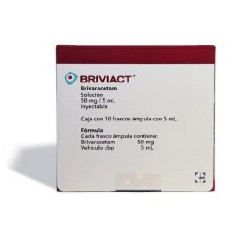
From the perspective of clinical use, brivaracetam has a flexible dosage adjustment range and good potential for personalized treatment. The standard starting dose for adults is 50-100 mg per day, which can be gradually adjusted to 200 mg per day based on efficacy and tolerance. In multiple observational studies and long-term follow-up data, brivaracetam has shown a relatively durable therapeutic effect, especially in patients with multi-drug refractory epilepsy. Its addition can significantly reduce the frequency of epileptic seizures and reduce the burden of side effects of the original drugs. In addition, it has a relatively fast onset of action and can reach peak blood concentration within 1 hour after oral administration, making it suitable for clinical scenarios where rapid control of seizures is required.
The use of Brivaracetam in children and adolescents has also been gradually confirmed by research. For adolescents 12 years old and above, the dosage is the same as that for adults, and both show good efficacy and safety. In multiple overseas guidelines, this drug is recommended as a single drug or auxiliary drug option for partial seizures. More importantly, its side effect spectrum is relatively mild. In most patients, the most common side effects include dizziness, fatigue, drowsiness, and mild gastrointestinal discomfort. Most of these adverse reactions are mild to moderate and usually do not lead to discontinuation of treatment. In some patients with mood disorders (such as irritability, anxiety, depression) who respond to levetiracetam, brivaracetam, as an alternative drug, shows a lower incidence of psychiatric adverse reactions.
From the perspective of pharmacokinetics, brivaracetam has a low protein binding rate and is not prone to significant metabolic conflicts with other drugs. This advantage allows it to be used in combination with other anti-epileptic drugs relatively safely, especially when CYP enzyme-metabolized drugs (such as phenytoin and carbamazepine) need to be used together, and the risk of drug interaction is low. In addition, the drug is mainly metabolized by the liver and forms inactive products. It is relatively safe for patients with renal insufficiency, but the dose needs to be adjusted in patients with moderate or above moderate hepatic impairment.
Although the efficacy of brivaracetam is widely recognized, not all patients can achieve the ideal state of complete seizure control. Its treatment response is still affected by many factors such as individual genes, comorbid conditions, epilepsy type and disease duration. Brivaracetam may provide only partial relief in some patients with refractory epilepsy who are unresponsive to multiple medications. Therefore, clinicians should comprehensively evaluate their role in treatment options based on specific seizure frequency, previous medication history, and patient tolerance.
Reference materials:https://www.briviact.com/
[ 免责声明 ] 本页面内容来自公开渠道(如FDA官网、Drugs官网、原研药厂官网等),仅供持有医疗专业资质的人员用于医学药学研究参考,不构成任何治疗建议或药品推荐。所涉药品可能未在中国大陆获批上市,不适用于中国境内销售和使用。如需治疗,请咨询正规医疗机构。本站不提供药品销售或代购服务。


