
.jpeg)
What are the main effects and indications of osimertinib?
Osimertinib is a third-generation epidermal growth factor receptor tyrosine kinase inhibitor (EGFR-TKI), developed by AstraZeneca. It is mainly used to treat epidermal growth factor receptor gene mutation-positive non-small cell lung cancer (NSCLC). Since osimertinib has been approved for marketing in many countries and regions, it has become an important treatment option for patients with EGFR mutant lung cancer due to its superior efficacy, good tolerability and unique ability to inhibit drug-resistant mutations. This article will conduct a detailed analysis from four aspects: its main efficacy, indications, treatment mechanism and clinical value.
First of all, from the perspective of therapeutic efficacy, the significant advantage of osimertinib is its strong targeting and ability to break through drug resistance barriers. For patients with advanced non-small cell lung cancer who carry EGFR mutations (such as L858R mutations or exon 19 deletions), traditional first or second generation Although generation EGFR-TKI can exert efficacy in the early stage, it often leads to disease progression after 9-14 months due to T790M resistance mutation. As a third-generation EGFR-TKI, osimertinib can specifically inhibit the T790M mutation while retaining the ability to inhibit the original mutation site, greatly extending the patient's progression-free survival (PFS). Studies have shown that for T790M positive patients, the median progression-free survival of osimertinib can reach more than 10 months, and the overall survival (OS) is significantly better than standard treatment options.
Secondly, the scope of indications for osimertinib continues to expand. Initially, the drug was mainly used for patients with advanced non-small cell lung cancer who developed T790M resistance mutation after first-generation EGFR-TKI treatment. Subsequently, with the deepening of clinical trials (such as the FLAURA study), osimertinib was confirmed to have superior efficacy in treatment-naïve patients with positive EGFR mutations, and was approved by regulatory agencies in multiple countries for the first-line treatment of EGFR mutated NSCLC. In addition, osimertinib is also widely used in patients with brain metastases due to its good central nervous system (CNS) penetration ability. It can effectively delay or control the progression of intracranial lesions and improve the quality of life.
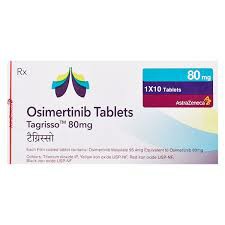
Third, the therapeutic mechanism of osimertinib provides a theoretical basis for its efficient targeting. Osimertinib irreversibly binds to the EGFR kinase active site and blocks the EGFR signaling pathway, thereby inhibiting the proliferation of tumor cells and promoting apoptosis. It is sensitive to common EGFR mutations (such as Del19, L858R) and drug-resistant mutation T790M are extremely selective, but have low activity against wild-type EGFR, so the side effects are relatively mild. Compared with first-generation TKIs that are prone to side effects such as rash and diarrhea, osimertinib is better tolerated and has higher patient compliance, which also provides convenience for long-term medication.
Finally, from the perspective of clinical application, osimertinib has not only changed the treatment landscape of EGFR mutated lung cancer, but also prolonged the survival of patients. Data show that the median overall survival of EGFR mutation-positive patients treated with osimertinib as first-line treatment can reach 38.6 months, far exceeding the level of traditional TKI treatment in the past. In addition, osimertinib shows unique advantages in delaying the progression of brain metastases, which is of great clinical significance for patients with advanced NSCLC. Even after disease progression, some patients may benefit from continuing treatment with osimertinib in combination with other drugs or through dose adjustment.
To sum up, Osimertinib (Osimertinib) is a targeted treatment drug for EGFR mutation-positive non-small cell lung cancer. It has high selectivity, potent anti-tumor ability and low incidence of side effects. Its main efficacy is reflected in delaying disease progression, improving survival, and improving quality of life. It is suitable for patients with EGFR sensitive mutations and T790M drug-resistant mutations, and is especially suitable for patients with advanced NSCLC with brain metastasis. With the deepening of research, the indications of osimertinib are expected to be further expanded, bringing new treatment hope to more patients with lung cancer.
Reference materials:https://go.drugbank.com/drugs/DB09330
[ 免责声明 ] 本页面内容来自公开渠道(如FDA官网、Drugs官网、原研药厂官网等),仅供持有医疗专业资质的人员用于医学药学研究参考,不构成任何治疗建议或药品推荐。所涉药品可能未在中国大陆获批上市,不适用于中国境内销售和使用。如需治疗,请咨询正规医疗机构。本站不提供药品销售或代购服务。


