
.jpeg)
What should I pay attention to while receiving Retifanlimab (Zynyz)?
During the treatment ofRetifanlimab (trade name: Zynyz), patients need to pay high attention to various precautions to ensure the safety and efficacy of the treatment. RetifanlimabAs an immune checkpoint inhibitor, it mainly exerts its therapeutic effect by enhancing the body's immune system's attack on tumors. It is often used to treat locally recurrent or metastatic anal canal squamous cell carcinoma (SCAC). Although its mechanism is effective, it is also accompanied by certain immune-related adverse reactions. Therefore, during the treatment process, patients and medical staff must closely monitor and respond promptly.
First of all, you need to be alert to immune-related adverse reactions during treatment. RetifanlimabBy activating the immune system, it may trigger an autoimmune inflammatory response that affects multiple organ systems. Common immune-related side effects include pneumonia (immune pneumonia), hepatitis, enteritis, nephritis, endocrine gland dysfunction (such as thyroiditis, adrenalitis), skin reactions, etc. Patients should closely observe whether symptoms such as persistent cough, difficulty breathing, jaundice, diarrhea, rash, fatigue, etc. occur while receiving treatment. Once they occur, they should notify the doctor in time and undergo relevant examinations. The doctor may need to adjust the treatment plan according to the condition, or even suspend or terminate the medication.
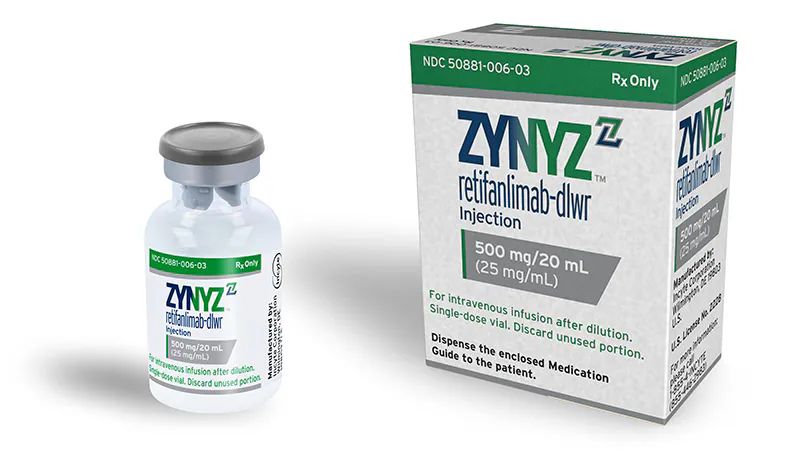
Second, patients receivingRetifanlimab should undergo regular laboratory testing and imaging evaluation. Hematology tests, liver and kidney function tests, and endocrine function monitoring are routine and can help detect early signs of drug toxicity and organ damage. In addition, imaging examinations (such as CT, MRI) can evaluate the treatment response and early progression of tumors, helping doctors judge the efficacy and adjust treatment plans. Patients should complete relevant examinations on time to avoid missing treatment windows due to insufficient monitoring.
Third, patients should avoid using immunosuppressants or other drugs that may interfere with the immune system during treatment, unless specifically directed by the doctor. Because these drugs may reduce the effectiveness of Retifanlimab or increase the risk of infection. In addition, patients should inform their doctors about all medications they are taking, including herbal medicines, supplements, and over-the-counter medications, to avoid potential risks from drug interactions. For patients with active severe infections, immunotherapy often needs to be delayed to ensure that the infection is effectively controlled.
Finally, pregnant women and women of childbearing age need to pay special attention. RetifanlimabIt has potential embryo-fetal toxicity. Effective contraceptive measures should be taken during treatment to avoid pregnancy. For patients who are preparing to become pregnant, treatment time and birth plans should be reasonably arranged under the guidance of a doctor. Male patients are also advised to take contraceptive measures during and within a certain period of time after treatment to prevent the drug from affecting the fetus. Additionally, nursing women should avoid breastfeeding, as it is unknown whether the drug is excreted in breast milk and its effects on the baby.
In general, receivingRetifanlimab treatment is a complex and meticulous process. Patients need to cooperate closely with their doctors, strictly follow the doctor's instructions for treatment and follow-up, and report any abnormal symptoms in a timely manner to ensure the safety of treatment and maximum efficacy. Complying with the precautions during treatment can help effectively reduce the risk of side effects and improve the quality of life and treatment success rate.
https://www.fda.gov/drugs/resources-information-approved-drugs
[ 免责声明 ] 本页面内容来自公开渠道(如FDA官网、Drugs官网、原研药厂官网等),仅供持有医疗专业资质的人员用于医学药学研究参考,不构成任何治疗建议或药品推荐。所涉药品可能未在中国大陆获批上市,不适用于中国境内销售和使用。如需治疗,请咨询正规医疗机构。本站不提供药品销售或代购服务。


