
.jpeg)
Is Fezonatant considered a top antibiotic and how is it positioned?
Fezolinetant is not an antibiotic, and its positioning has nothing to do with anti-infective drugs. In fact, fizonitant is a neuroendocrine regulating drug. Its mechanism of action is to selectively antagonize neurokinin 3 receptor (NK3R). It is used to treat vasomotor symptoms caused by estrogen fluctuations in perimenopausal and postmenopausal women, such as hot flashes. Its main target group is women who experience moderate to severe hot flashes after natural or surgical menopause. Therefore, its medical positioning is closer to endocrine system diseases or menopausal syndrome treatment drugs, rather than antibacterial drugs.
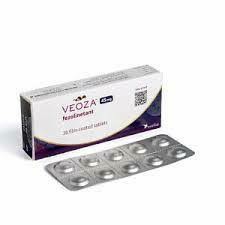
In terms of classification, antibiotics are a class of drugs that specifically target bacterial infections. They belong to the category of antimicrobial drugs and are mainly used to kill or inhibit pathogenic bacteria. Zonatant does not have bacteriostatic or bactericidal effects and is not used to treat any infectious disease. Therefore classifying it as an antibiotic is a misconception. From a pharmacological perspective, fizonitant is an antagonist targeting specific neuropeptide receptors in the central nervous system. It mainly acts on the hypothalamus to regulate the body temperature center, thereby alleviating hot flashes in menopausal women caused by a decrease in estrogen. Compared with traditional hormone replacement therapy, the biggest advantage of filazonatant is that it does not contain estrogen, thus providing a new treatment option for women who are unable or unwilling to undergo hormone therapy.
From the perspective of treatment positioning, fezonatant is clinically regarded as a new type of non-hormonal drug targeting menopausal symptoms. Its launch represents a new direction in the field of menopausal treatment: precise regulation of neuroendocrine pathways rather than traditional systemic hormone replacement.
Therefore, although fezonatant is not a "top antibiotic", its clinical value is gradually being established in perimenopausal women's health management, especially in improving quality of life and reducing hormone-related risks.
Reference materials:https://www.veozah.com/
[ 免责声明 ] 本页面内容来自公开渠道(如FDA官网、Drugs官网、原研药厂官网等),仅供持有医疗专业资质的人员用于医学药学研究参考,不构成任何治疗建议或药品推荐。所涉药品可能未在中国大陆获批上市,不适用于中国境内销售和使用。如需治疗,请咨询正规医疗机构。本站不提供药品销售或代购服务。


