
.jpeg)
Analysis of the difference in efficacy between tucatinib/tucatinib and 8201
In the treatment field ofHER2-positive breast cancer, the development of targeted drugs has evolved from the earliest trastuzumab (Herceptin) to a series of innovative therapies, such as small molecule tyrosine kinase inhibitors (TKIs) and antibody drug conjugates (ADCs). In this context, Tucatinib and Trastuzumab Deruxtecan, known as “8201”, have become two very representative new HER2-targeting drugs. Although both serve the HER2-positive breast cancer patient population, there are significant differences in their mechanisms of action, scope of indications, safety and long-term efficacy. In-depth analysis of these two drugs will help clinicians and patients make more personalized decisions when formulating treatment plans.
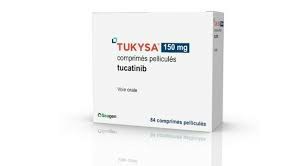
Tucatinib is a highly selective HER2 tyrosine kinase inhibitor. Unlike the first-generation pan-HER family inhibitors, it barely inhibits EGFR, thus significantly reducing side effects such as rash and diarrhea caused by EGFR inhibition. It is designed for oral use, often in triple combination therapy with capecitabine and trastuzumab, for the treatment of metastatic breast cancer patients who have received multiple lines of HER2-targeted therapy, especially those with brain metastases. Because tucatinib has certain central nervous system penetration, it shows unique advantages in controlling brain metastasis. This feature has gradually gained the attention and recognition of doctors in real-world use.
In contrast, 8201 is German trastuzumab, which is an antibody drug conjugate (ADC) and is a cutting-edge technology product of biopharmaceuticals. This drug combines trastuzumab, a monoclonal antibody carrier, with a topoisomerase I inhibitor through a linker to achieve the purpose of targeted delivery of cytotoxic drugs. Different from the intracellular signal blocking mechanism of traditional TKI drugs, ADC drugs release cytotoxins after binding to targeted antigens, thereby achieving precise killing of tumor cells with high or low expression of HER2. This mechanism gives 8201 extremely strong killing power, and also allows it to be used in more complex treatment stages, including patients who have failed to receive multiple treatments in the past. In addition, 8201 shows therapeutic potential for breast cancer with low HER2 expression, a population that has been difficult to reach with many previous HER2-targeted drugs.
From a clinical perspective, tucatinib is more suitable for metastatic patients who still have a certain degree of treatment tolerance and wish to manage their disease orally, especially when accompanied by brain metastases. Its relatively good tolerance and clear central nervous system penetration provide patients with an improvement in their quality of life. And8201 focuses more on high-risk groups whose disease progresses rapidly and is resistant to previous treatment regimens. Its powerful mechanism is suitable for controlling the rapid spread of tumors, but it may also bring about more toxic reactions, including interstitial lung disease and serious hematological side effects, which requires close monitoring and timely intervention during use.
In terms of medication convenience, tucatinib, as an oral drug, supports long-term home management and is highly combinable with other drugs, making it suitable for building a multi-drug combination treatment strategy. In contrast, 8201 is an intravenous infusion biological agent that needs to be injected periodically in qualified medical institutions, placing higher demands on medical resources and patient compliance.
In addition, there are certain differences in the global launch time and regional popularity between the two. Tucatinib has been approved by the FDA and is gradually expanding its indications and market use in Europe and Asia, while 8201 is developing at an even faster pace and is continuously expanding its use in the treatment of a variety of solid tumors. It may become one of the new standards for HER2-targeted therapy in the future.
Reference materials:https://www.tukysa.com/
[ 免责声明 ] 本页面内容来自公开渠道(如FDA官网、Drugs官网、原研药厂官网等),仅供持有医疗专业资质的人员用于医学药学研究参考,不构成任何治疗建议或药品推荐。所涉药品可能未在中国大陆获批上市,不适用于中国境内销售和使用。如需治疗,请咨询正规医疗机构。本站不提供药品销售或代购服务。


