
.jpeg)
Baricitinib shows long-term safety in severe alopecia areata: 4-year trial data
Significant progress has been made recently in the treatment of severe alopecia areata(AA). Baricitinib(Baricitinib), as one of the first systemic therapies approved for the treatment of this disease, its safety and efficacy have been verified by long-term data. These data, derived from two Phase III clinical trials, BRAVE-AA1 and BRAVE-AA2, show that baricitinib remains consistent and well-tolerated even after up to four years of use.
Study results showed that among patients receiving baricitinib, the incidence of serious adverse events was only 2.6 per 100 patient-years, and no cases of serious infection, cardiovascular events, deep vein thrombosis, pulmonary embolism, or death were reported. This finding reinforces the long-term safety profile of baricitinib in patients with this chronic autoimmune disease. Additionally, the incidence of herpes zoster was 1.9, while the incidence of malignancy remained at 0.2, further supporting the drug's tolerability.
Baricitinib, as aJanus kinase (JAK) inhibitor, its mechanism of action mainly targets the immune dysfunction related to alopecia areata. Using data from the BRAVE-AA1 and BRAVE-AA2 trials, we systematically summarized the safety study results of baricitinib in the treatment of severe alopecia areata, including the evaluation of long-term continuation and bridging continuation periods.
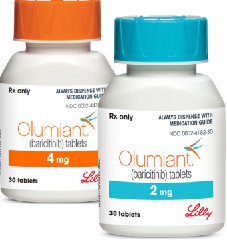
In this study, researchers evaluated safety data from two groups of patients: those who took baricitinib continuously (2 mg or 4 mg) and those who received any dose during the trial. They looked at adverse events, key safety issues and laboratory abnormalities that emerged during treatment, and calculated incidence rates per 100 patient-years based on duration of risk, with a minimum follow-up of 152 weeks.
Key results from the study showed that a total of1,303 patients were treated with baricitinib, accounting for 2,789.7 patient-years of exposure, with a median duration of treatment of 825 days and a maximum of 1,460 days. The majority of adverse events experienced by patients were mild to moderate, and the low incidence of serious adverse events (IR 2.6/100 patient-years) demonstrates the safety of this treatment regimen. In addition, the incidence of discontinuation due to adverse events was relatively low at 1.7.
No new cases of serious infections, opportunistic infections, major cardiovascular events, deep vein thrombosis, or pulmonary embolism were reported during an additional year of follow-up. The incidence rate for non-melanoma skin cancers remained at 0.1, while the incidence rate for other malignancies remained at 0.2, showing a stable trend. The incidence rate of shingles is consistent with early data, holding steady at 1.9. Trends in laboratory tests also show stability over time.
In summary,The long-term safety results of the BRAVE-AA1 and BRAVE-AA2 trials are consistent with the early data from the baricitinib alopecia areata clinical study. Even if the treatment time is extended to four years, no new safety issues or signals were discovered. Therefore, baricitinib has demonstrated good long-term safety and tolerability in the treatment of severe alopecia areata, providing an effective treatment option for the majority of patients.
References:https://medicaldialogues.in/amp/dermatology/news/baricitinib-shows-long-term-safety-in-severe-alopecia-areata-4-year-trial-data-146857
[ 免责声明 ] 本页面内容来自公开渠道(如FDA官网、Drugs官网、原研药厂官网等),仅供持有医疗专业资质的人员用于医学药学研究参考,不构成任何治疗建议或药品推荐。所涉药品可能未在中国大陆获批上市,不适用于中国境内销售和使用。如需治疗,请咨询正规医疗机构。本站不提供药品销售或代购服务。


