
.jpeg)
What are the precautions for using Telisotuzumab vedotin?
Telisotuzumab vedotin (Telisotuzumab vedotin)As a new type of antibody drug conjugate (ADC), it is mainly used to treat patients with locally advanced or metastatic non-squamous non-small cell lung cancer with high expression of c-Met protein. Although the drug has shown good therapeutic effects, during clinical use, both patients and doctors need to pay high attention to its usage precautions to ensure safety and efficacy. The following introduces the precautions for using Emrelis in detail from many aspects.
First of all, patients must undergo strict c-Met protein expression testing before starting Emrelis treatment. Since the drug targets tumor cells with high expression of c-Met, the effectiveness and selectivity of the treatment can only be guaranteed when ≥50% expresses strongly positive (3+) c-Met protein. Therefore, it is a prerequisite to use the FDA-approved VENTANA MET (SP44) RxDx auxiliary diagnostic test to ensure that patients meet the indications for medication and avoid ineffective treatment and waste of resources.
Secondly, Emrelis is administered by intravenous infusion. The recommended dose is 1.9 mg/kg once every two weeks, and the maximum dose is 190 mg (for those with a body weight ≥100 kg). During the infusion process, medical staff need to closely observe the patient's vital signs to prevent infusion-related allergic reactions or other acute adverse events. In addition, laboratory tests should be conducted regularly during treatment, including hematological indicators, liver function, electrolyte levels, etc., in order to promptly detect and deal with drug-related side effects.
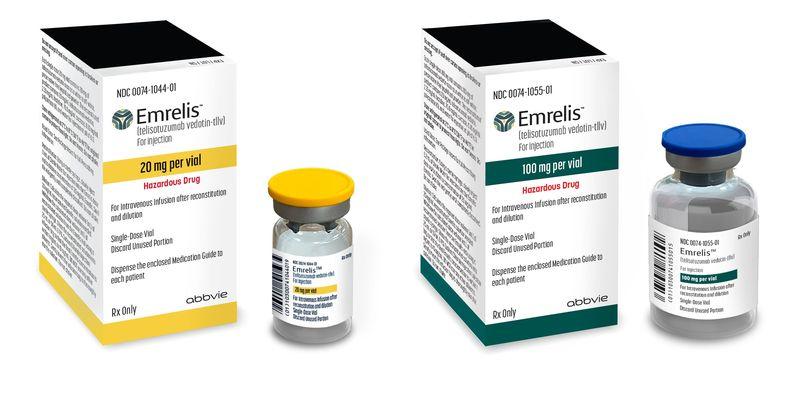
Common adverse reactions of Emrelis include symptoms such as peripheral neuropathy, fatigue, decreased appetite and peripheral edema. Some patients may develop serious laboratory abnormalities, such as lymphopenia, elevated blood sugar, abnormal liver function indicators, hypophosphatemia, and anemia. In response to these situations, doctors should adjust the dosage of medication according to specific symptoms, or suspend treatment and provide supportive therapy when necessary. Especially for peripheral neuropathy, patients need to pay close attention to sensory abnormalities to avoid worsening of the condition and causing functional damage.
In addition, patients are usingDuring Emrelis, concurrent use of other drugs that may aggravate neurotoxicity, such as certain chemotherapy drugs or antiviral drugs, should be avoided to reduce the risk of adverse reactions. For patients with underlying diseases such as diabetes, liver and renal insufficiency, it is even more necessary to carefully assess the risks of medication and adjust treatment plans.
Monitoring the efficacy of Emrelis treatment is equally important. Patients should undergo regular imaging examinations and tumor marker testing to evaluate treatment effects and detect disease progression early. If the disease worsens or intolerable side effects occur, you need to communicate with your doctor promptly and consider changing or adjusting the treatment plan.
Finally,Emrelis is a newly launched antibody drug conjugate. If patients find any abnormal symptoms during use, they should report it to medical staff in time. Doctors should also provide patients with adequate medication guidance and psychological support to help patients correctly understand various reactions during treatment and reduce treatment interruptions due to fear or misunderstanding.
In summary, the use of Emrelis requires strict screening of patients with indications, standardized dosing operations, close monitoring of adverse reactions and efficacy, and scientific adjustment of treatment plans. Only in this way can the therapeutic potential of the drug be maximized while ensuring patient safety.
Reference materials:https://www.fda.gov/drugs/resources-information-approved-drugs
[ 免责声明 ] 本页面内容来自公开渠道(如FDA官网、Drugs官网、原研药厂官网等),仅供持有医疗专业资质的人员用于医学药学研究参考,不构成任何治疗建议或药品推荐。所涉药品可能未在中国大陆获批上市,不适用于中国境内销售和使用。如需治疗,请咨询正规医疗机构。本站不提供药品销售或代购服务。


