
.jpeg)
What is the effect of combining trametinib and hydroxychloroquine?
Trametinib is a selective MEK inhibitor that is commonly used to treat malignant tumors such as melanoma and non-small cell lung cancer carrying BRAF V600E or V600K mutations. Hydroxychloroquine (Hydroxychloroquine) is a traditional antimalarial drug that has been widely studied in recent years as an autophagy inhibitor for combined anti-tumor treatment. The combination of the two has shown synergistic anti-cancer potential in multiple preclinical studies and some early clinical trials, especially in some tumor types with drug resistance mechanisms. This article will analyze the combined effect of trametinib and hydroxychloroquine from four aspects: pharmacological mechanism, clinical research data, application prospects and precautions.
First of all, from a mechanism level, trametinib inhibits the MEK1/2 pathway and blocks MAPK/ERK signaling, effectively controlling the proliferation of tumor cells that rely on this pathway. However, in some tumors, long-term use of MEK inhibitors may induce tumor cells to gain resistance to the drug by enhancing autophagy (autophagy). Autophagy is a way for cells to survive in adverse environments, and it helps tumor cells resist external stress. Hydroxychloroquine, as an autophagy inhibitor, can block lysosomal function, thereby interfering with the autophagy process. The combined use of trametinib and hydroxychloroquine can simultaneously block the MAPK pathway and autophagy protection mechanism, thereby enhancing the death of tumor cells and playing a synergistic effect.
In multiple animal experiments, the combination of trametinib and hydroxychloroquine has been shown to significantly prolong the stabilization time of tumor burden. For example, in BRAFwild-type melanoma or pancreatic cancer models, the efficacy of MEK inhibitors alone was limited, but when combined with hydroxychloroquine, the tumor volume was significantly reduced, suggesting that the combination regimen has new breakthroughs for certain tumors that are difficult to treat with traditional treatments. Especially in tumors that are insensitive to traditional chemotherapy, such as pancreatic ductal adenocarcinoma, this combination has attracted great attention from clinical researchers.
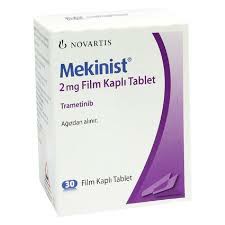
Early-stage clinical trials also provide support for this combination strategy. In a phase I/II clinical study targeting advanced pancreatic cancer, patients who received trametinib combined with hydroxychloroquine showed a certain response rate and disease control rate, especially among patients who had previously failed multiple lines of treatment. Some cases had stable disease for several months, suggesting that the combination may delay disease progression. In addition, a study on NRAS mutated melanoma also confirmed that the combination of trametinib and hydroxychloroquine can increase tumor cell apoptosis and improve drug sensitivity. These results lay the foundation for further research.
Although the combination of trametinib and hydroxychloroquine has shown potential in certain tumors, clinical application challenges remain. First, combined use of the two may increase the risk of adverse reactions. Common side effects of trametinib include rash, fatigue, high blood pressure, etc., while hydroxychloroquine may cause eye toxicity, gastrointestinal reactions, etc. Severe fatigue, liver function abnormalities, and vision problems have been reported in some patients treated with the combination. Therefore, when using this combination regimen, strict dose adjustment and regular monitoring are required, with special attention to vision and liver and kidney function.
Secondly, most of the current studies on trametinib combined with hydroxychloroquine are in the early stages, and there are no widely recognized treatment guidelines recommending this regimen as standard treatment. Therefore, this combination strategy is still an exploratory treatment in clinical practice and is mainly used in clinical trials or trial use after other treatments are ineffective. Before formal promotion, more large-scale, randomized controlled clinical trials are needed to verify its efficacy and safety.
In general, the combination treatment of trametinib and hydroxychloroquine represents an innovative dual targeting and autophagy inhibition strategy, which has shown certain therapeutic potential in a variety of refractory tumors, especially for patients who are resistant to or have poor efficacy of MEK inhibitors. Although it is still in the clinical research stage, existing data show that this program is expected to become a new direction in the treatment of some tumors. In the future, as more clinical evidence accumulates, this combination may play an important role in personalized anti-cancer treatment. However, during actual use, doctors need to fully weigh the efficacy and risks and strictly monitor adverse reactions to ensure patient treatment safety and maximum effectiveness.
Reference materials:https://go.drugbank.com/drugs/DB08911
[ 免责声明 ] 本页面内容来自公开渠道(如FDA官网、Drugs官网、原研药厂官网等),仅供持有医疗专业资质的人员用于医学药学研究参考,不构成任何治疗建议或药品推荐。所涉药品可能未在中国大陆获批上市,不适用于中国境内销售和使用。如需治疗,请咨询正规医疗机构。本站不提供药品销售或代购服务。


