
.jpeg)
What are the side effects of Telisotuzumab vedotin?
Telisotuzumab (Telisotuzumab Vedotin) is an innovative antibody drug conjugate (ADC), specifically used to treat patients with locally advanced or metastatic non-squamous non-small cell lung cancer (NSCLC) with high expression of c-Met protein. Although its efficacy is remarkable, as a targeted therapy drug, Emrelis also has certain side effects and adverse reactions. Understanding these side effects is critical to safe medication use and appropriate management of patients. The following content will introduce in detail the common side effects and manifestations of Emrelis to help patients and medical staff fully understand the safety issues of this drug.
First, the most common side effects of Emrelis include peripheral neuropathy, fatigue, decreased appetite, and peripheral edema. In clinical trials, peripheral neuropathy manifested itself as numbness, tingling, or pain in the hands and feet, primarily due to the drug's toxic effects on peripheral nerves. Such symptoms may affect the patient's quality of life and, in severe cases, may even lead to functional impairment, so close monitoring is required during treatment. Fatigue is a common adverse reaction in cancer patients when they use a variety of anti-cancer drugs. It manifests as long-lasting physical and mental fatigue, which may affect the patient's daily activities. Decreased appetite is also common, resulting in patients reducing their nutritional intake, which may further affect the effectiveness of treatment. Peripheral edema manifests as swelling of the limbs or other parts, which may be related to drug-induced changes in vascular permeability.
Secondly, in addition to the common side effects mentioned above, Emrelis may also cause serious laboratory abnormalities, which are mainly reflected in blood and liver function indicators. Clinical data shows that some patients will experience hematological toxic reactions such as lymphopenia and hemoglobin reduction, which may lead to reduced immunity and anemia symptoms. In terms of liver function, elevations of alanine aminotransferase (ALT) and γ-glutamyltransferase (GGT) are common, indicating damage to liver cells. In addition, patients may develop electrolyte disorders such as decreased blood sodium, blood calcium, and blood phosphorus, which need to be detected and dealt with promptly through regular blood tests to prevent serious clinical consequences.
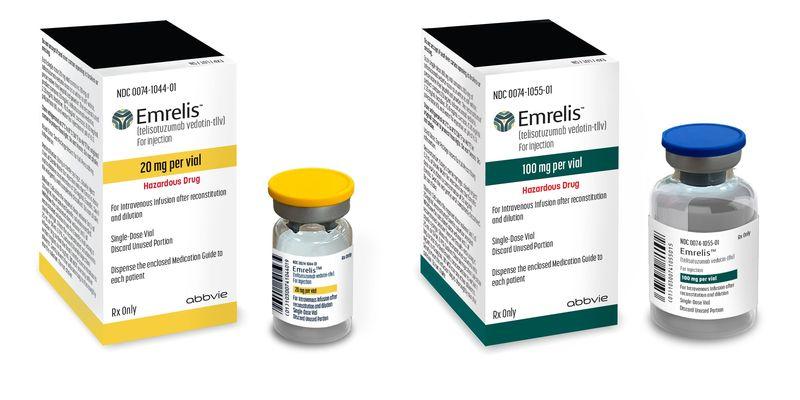
Third,EmrelisYou also need to be alert to rare but potentially serious side effects during treatment. For example, some patients may have an increased risk of infection, especially if their immune function is suppressed, and infection prevention and management need to be strengthened. Drugs may also cause cardiotoxicity. Although the incidence is low, once abnormal cardiac function occurs, the consequences will be more serious, requiring doctors to evaluate the patient's cardiac function before and after treatment. Another important side effect is allergic reaction, which may manifest as rash, difficulty breathing, facial swelling, etc. In severe cases, emergency treatment is required. In addition, drug-induced bone marrow suppression may also lead to leukopenia and bleeding tendencies, which requires close observation.
Finally, regarding the side effects management of Emrelis, patients and medical staff should maintain close communication and monitor various adverse reactions in a timely manner. The patient's physical condition, especially liver and kidney function and heart health, should be carefully assessed before treatment. During treatment, regular neurological and hematological examinations are crucial to allow early detection of peripheral neuropathy and hematological toxicities. For patients who experience severe side effects, doctors may adjust the dose or temporarily discontinue the drug, and provide corresponding supportive care, such as neurotrophic drugs, nutritional supplements, and electrolyte balance. Educating patients about possible adverse reactions and encouraging them to report symptoms promptly can help improve treatment safety and patient compliance.
In general, Emrelis, as an advanced targeted therapy drug, has shown good efficacy in the treatment of specific types of non-small cell lung cancer, but its side effects cannot be ignored. Comprehensively understanding and scientifically managing these side effects is the key to ensuring patients’ therapeutic effects and quality of life. With the accumulation of clinical experience, the side effect prevention and treatment plan for Emrelis will continue to be improved in the future, bringing safer and more effective treatment options to patients.
Reference materials:https://www.fda.gov/drugs/resources-information-approved-drugs
[ 免责声明 ] 本页面内容来自公开渠道(如FDA官网、Drugs官网、原研药厂官网等),仅供持有医疗专业资质的人员用于医学药学研究参考,不构成任何治疗建议或药品推荐。所涉药品可能未在中国大陆获批上市,不适用于中国境内销售和使用。如需治疗,请咨询正规医疗机构。本站不提供药品销售或代购服务。


