
.jpeg)
Which one is more effective, osimertinib or fumetinib?
Osimertinib (Osimertinib) and fumetinib (Furmonertinib) are both third-generation EGFRtyrosine kinase inhibitors (TKI< span>), is mainly used to treat patients with non-small cell lung cancer (NSCLC) carrying EGFR mutations, and is especially highly targeted against T790M drug-resistant mutations. They both show good clinical efficacy and tolerability, but in specific applications, there are still some differences between the two in terms of efficacy, safety, and brain metastasis control capabilities.
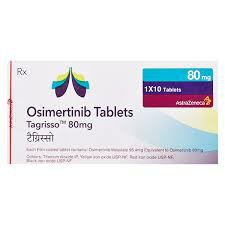
From the perspective of international recognition and clinical research data, osimertinib is currently the third generation EGFR-TKI with the most widespread use and the most sufficient clinical evidence in the world. In large clinical trials such as FLAURA, it has shown significantly better progression-free survival and overall survival than the first-generation EGFR-TKI. It also has good penetration and control effects on patients with brain metastases. Therefore, osimertinib has become the standard of first-line treatment recommended by most guidelines.
Foumetinib is a new generation of EGFR-TKI independently developed in China. Its indications have been rapidly expanded in China, especially in T790M positive patients, which have shown a high response rate. In some real-world studies, fumetinib has also shown certain advantages in controlling brain metastases and adverse reactions. Especially for patients who are intolerant or ineffective to osimertinib, fumetinib may become an alternative. However, the international multi-center clinical data of fumetinib is still accumulating, and the current evidence base is slightly inferior to that of osimertinib.
Taken together, osimertinib has a relatively solid position in terms of efficacy and safety due to its global clinical validation and wide range of indications; fumetinib, as a domestically produced third-generation EGFR-TKI, has shown good efficacy and cost-effectiveness and is suitable for use by specific groups of people. There is no absolute strength or weakness between the two. The patient's mutation type, drug resistance mechanism, brain metastasis status and economic conditions should be combined with the doctor's comprehensive judgment to formulate an individualized treatment plan.
Reference materials:https://go.drugbank.com/drugs/DB09330
[ 免责声明 ] 本页面内容来自公开渠道(如FDA官网、Drugs官网、原研药厂官网等),仅供持有医疗专业资质的人员用于医学药学研究参考,不构成任何治疗建议或药品推荐。所涉药品可能未在中国大陆获批上市,不适用于中国境内销售和使用。如需治疗,请咨询正规医疗机构。本站不提供药品销售或代购服务。


