
.jpeg)
Instructions on the correct way to take avatrombopag tablets
Avatrombopag (Avatrombopag) is an oral small-molecule thrombopoietic agent that belongs to the thrombopoietin receptor agonist (TPO-RA) class of drugs. It is commonly used to treat thrombocytopenia related to chronic liver disease, as well as chronic immune thrombocytopenia (ITP) and other diseases. It helps patients restore normal coagulation function by stimulating the maturation and proliferation of megakaryocytes in the bone marrow and promoting the production of platelets. In order to maximize the effectiveness of medication and reduce the risk of adverse reactions, patients should strictly follow the correct dosage and dosage adjustment instructions. Detailed medication instructions are below.
1. Clear indications and standardized use according to disease types
Avatrombopag is mainly suitable for the following two categories of people:
1.Patients with thrombocytopenia associated with chronic liver disease
Such patients often suffer from impaired liver function that affects platelet production, resulting in platelet levels lower than safe values before undergoing invasive procedures (such as liver puncture, gastroscopy treatment). Short-term use of avatrombopag before surgery can help to increase platelet count in the short term and reduce the risk of bleeding.
2.Patients with chronic immune thrombocytopenia (ITP)
ITPPatients’ immune system mistakenly attacks their own platelets, resulting in chronically low platelet levels. Avatrombopag can be used as a second-line treatment drug to maintain platelet levels and reduce the occurrence of bleeding events in the long term.
2. Standard dosage and dosage regimen
Avatrombopag is an oral preparation, usually in the form of tablets. The recommended method of taking it varies slightly depending on the purpose of treatment:
1. Used for preoperative preparation for chronic liver disease
The recommended dose is 60mg once a day for 5 days. Start taking it 5 to 8 days before planned surgery or interventional procedure, and there is no need to continue taking the medicine after that. Review platelet levels 1-2 days before surgery to confirm whether safe operation standards are met.
2.For chronicITPtreatment
The starting dose is usually 20 mg (1 tablet) once daily. According to the patient's platelet response, the dose can be gradually increased or decreased every 1-2 weeks, and the amount of each adjustment is 5mg, the maximum dose does not exceed 40mg daily. The doctor will adjust the appropriate maintenance dose based on the patient's platelet level.
In any indication, the doctor should determine the specific dosage and course of treatment based on individual circumstances (such as weight, liver function, and whether it is combined with other diseases), and patients are not recommended to adjust themselves.
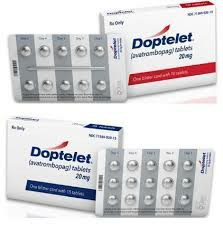
3. Correct medication methods and precautions
1.The relationship between medication time and eating
Avatrombopag should be taken with or after meals to help improve drug absorption and reduce gastrointestinal discomfort. Try to take the medicine at the same time every day to establish a routine to help maintain stable blood drug concentration.
2.Swallowing method
Tablets should be swallowed whole and should not be broken, chewed or ground into powder before taking, so as not to affect the release and absorption of the drug effect. Just take the medicine with an appropriate amount of warm water, and avoid taking it with grapefruit juice and other foods that may affect metabolism.
3.Handling of missed doses and repeated doses
If you accidentally miss a dose, you should take it as soon as possible on the same day; if it is close to the next dose time, skip the missed dose and should not double the dose to avoid excessive elevation of platelets. If you miss a dose for several days in a row, you should consult your doctor whether to adjust your medication plan.
4.Monitoring during medication
During the entire course of treatment with avatrombopag, it is recommended to regularly review platelet count, liver function, coagulation indicators, etc. Once platelets are found to rise too quickly (>450×10⁹/L) or to an abnormally high value, the drug should be stopped immediately or the dosage should be adjusted to prevent complications such as thrombosis.
4. Management of special populations and drug interactions
1.Patients with abnormal liver function
Avatrombopag is mainly metabolized by the liver. Patients with moderate to severe hepatic insufficiency should be used with caution. If necessary, the dose should be reduced and monitoring should be strengthened. Patients with chronic liver disease should strictly follow the recommended medication cycle before surgery and avoid long-term use.
2.Patients with renal insufficiency
This drug has little effect on renal metabolism and generally does not require special dosage adjustment. However, when patients with severe renal impairment are combined with other diseases, their suitability for use should be evaluated by a doctor.
3.Pregnant and lactating women
There are currently insufficient clinical studies to confirm the effects of avatrombopag on the fetus and infant, so its use during pregnancy or breastfeeding is not recommended unless the doctor believes that the benefits outweigh the risks.
4.Drug interactions
Avatrombopag may interact with certain CYP3A enzyme-related drugs (such as ritonavir, ketoconazole, etc.), affecting the metabolic rate. The doctor should be informed of all medications being used, including traditional Chinese medicine or health supplements, so that a comprehensive judgment can be made as to whether dosage adjustment or dressing change is needed.
Avatrombopag, as an important platelet production stimulating drug, has clear efficacy and is easy to use, but it needs to be used strictly under the guidance of a doctor. Whether it is used for short-term preoperative intervention or long-term maintenance treatment of ITP, correctly mastering the method of taking medication and monitoring blood routine and indicator changes on time are the keys to ensuring the success and safety of treatment. If patients develop abnormal symptoms (such as bleeding, headache, fatigue, etc.) while taking the medicine, they should stop taking the medicine immediately and seek medical treatment to ensure the safety of the medicine.
Reference materials:https://go.drugbank.com/drugs/DB11995
[ 免责声明 ] 本页面内容来自公开渠道(如FDA官网、Drugs官网、原研药厂官网等),仅供持有医疗专业资质的人员用于医学药学研究参考,不构成任何治疗建议或药品推荐。所涉药品可能未在中国大陆获批上市,不适用于中国境内销售和使用。如需治疗,请咨询正规医疗机构。本站不提供药品销售或代购服务。


