
.jpeg)
What are the possible side effects after sudden discontinuation of axitinib?
Axitinib is an oral small molecule tyrosine kinase inhibitor, mainly used to treat solid tumors such as advanced renal cell carcinoma. It blocks tumor angiogenesis by inhibiting the vascular endothelial growth factor receptor (VEGFR) signaling pathway, thereby inhibiting tumor growth and spread. However, during clinical use, if a patient suddenly stops taking axitinib, it may cause a series of adverse reactions and risks, which requires attention.
In addition to tumor progression, patients may also experience a series of worsening clinical symptoms related to disease activity after discontinuing axitinib, such as increased fatigue, dyspnea, and rapid weight changes. These reactions not only affect quality of life but may also make it more difficult to initiate treatment again. Therefore, for patients whose efficacy is acceptable but whose medication needs to be temporarily discontinued, doctors should develop a gradual dose reduction or transition strategy to reduce the risk of symptom rebound.
Once patients who have been using axitinib for a long time are forced to discontinue the drug due to financial pressure, side effects or changes in treatment strategies, they are often accompanied by psychological reactions such as anxiety, fear and uneasiness. Some patients will worry about relapse of the disease and loss of treatment control, which will affect sleep, mood and even treatment compliance. Therefore, doctors should fully communicate with patients before stopping medication, assess risks, and formulate follow-up monitoring or alternative treatment plans to ensure continuous management of physical and mental health.
Reference: https://en.wikipedia.org/wiki/Axitinib
Axitinib plays an important role in maintaining tumor control, and sudden discontinuation may lead to rapid recurrence or progression of tumors that were originally suppressed. Some patients may experience an increase in tumor size, increased pain, or recurrence of other tumor-related symptoms within a few days to a week or two after stopping the drug. This phenomenon, known as "tumor rebound" or "rapid progression," is particularly risky in patients who have not yet achieved long-term remission.
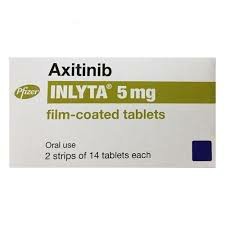
In addition to tumor progression, patients may also experience a series of worsening clinical symptoms related to disease activity after discontinuing axitinib, such as increased fatigue, dyspnea, and rapid weight changes. These reactions not only affect quality of life but may also make it more difficult to initiate treatment again. Therefore, for patients whose efficacy is acceptable but whose medication needs to be temporarily discontinued, doctors should develop a gradual dose reduction or transition strategy to reduce the risk of symptom rebound.
Once patients who have been using axitinib for a long time are forced to discontinue the drug due to financial pressure, side effects or changes in treatment strategies, they are often accompanied by psychological reactions such as anxiety, fear and uneasiness. Some patients will worry about relapse of the disease and loss of treatment control, which will affect sleep, mood and even treatment compliance. Therefore, doctors should fully communicate with patients before stopping medication, assess risks, and formulate follow-up monitoring or alternative treatment plans to ensure continuous management of physical and mental health.
Reference: https://en.wikipedia.org/wiki/Axitinib
[ 免责声明 ] 本页面内容来自公开渠道(如FDA官网、Drugs官网、原研药厂官网等),仅供持有医疗专业资质的人员用于医学药学研究参考,不构成任何治疗建议或药品推荐。所涉药品可能未在中国大陆获批上市,不适用于中国境内销售和使用。如需治疗,请咨询正规医疗机构。本站不提供药品销售或代购服务。


