
.jpeg)
What are the common side effects after using obeticholic acid?
Obeticholic acid (Obeticholic acid), as an FXR agonist with a unique mechanism of action, has good overall safety in clinical use, especially in the treatment of primary biliary cholangitis. However, it may still cause a series of side effects related to the regulation of bile acid metabolism. Especially during long-term use, attention needs to be paid to its impact on the liver, skin and metabolic system. The most common adverse reactions include pruritus, fatigue, abdominal pain, and constipation, with pruritus being the most frequently reported discomfort, especially during the initial treatment phase.
The mechanism of pruritus is not completely clear, but may be related to changes in bile acid composition, changes in intestinal reabsorption ratio, and release of inflammatory mediators. For patients with mild pruritus, relief can often be achieved through dose adjustment, topical care, or short-term use of antihistamines. People with severe itching may need to consider reducing the frequency of obeticholic acid use, or even reassess whether to continue treatment after stopping the drug.
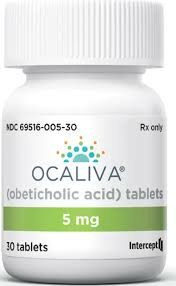
In addition to skin reactions, some patients may experience gastrointestinal discomfort, including nausea, bloating, and decreased appetite. For these symptoms, in most cases, they can be relieved by taking medicine after meals, taking it in divided doses, or appropriately adjusting eating habits. Fatigue is another common adverse reaction, but it is usually transient and is expected to be gradually relieved as the treatment time is extended.
It is worth paying special attention that obeticholic acid may have a certain impact on liver function after use, especially in patients with moderate to severe liver function impairment, which may aggravate liver disease. Therefore, liver function assessment should be performed before starting treatment and monitored regularly during treatment. People with liver cirrhosis and cholestasis should use it with caution. If abnormalities such as elevated bilirubin and elevated transaminases are found, the medication strategy should be adjusted in a timely manner.
In summary, although obeticholic acid is a relatively safe bile acid regulating drug, it still needs to be used under the guidance of a doctor and its side effects must be closely monitored to maximize its clinical benefits. Scientific management of adverse drug reactions is a key step to ensure long-term effectiveness of chronic liver disease treatment.
Reference materials:https://en.wikipedia.org/wiki/Obeticholic_acid
[ 免责声明 ] 本页面内容来自公开渠道(如FDA官网、Drugs官网、原研药厂官网等),仅供持有医疗专业资质的人员用于医学药学研究参考,不构成任何治疗建议或药品推荐。所涉药品可能未在中国大陆获批上市,不适用于中国境内销售和使用。如需治疗,请咨询正规医疗机构。本站不提供药品销售或代购服务。


