
.jpeg)
Can besudil mesylate tablets and ruxolitinib be taken together?
Whether Belumosudil mesylate tablets (Belumosudil) and Ruxolitinib (trade name Jakafi) can be used together is a common and important clinical question, involving many factors such as drug interactions, safety and efficacy. The following content is based on the current overseas authoritative medical literature and guidelines, combined with the pharmacological mechanism and clinical application of the drug, and is elaborated in detail.
Besudil mesylate is a new type of selective ROCK2 (Rho kinase 2) inhibitor. It is mainly used to treat chronic graft-versus-host disease (cGVHD), especially in patients who have failed previous treatments. It has shown good efficacy. ROCK2 plays a key role in regulating the immune system and the fibrosis process. Besudil reduces the inflammatory response and fibrosis process by inhibiting the ROCK2 signaling pathway, thereby alleviating the symptoms of cGVHD.
Ruxolitinib (Ruxolitinib) is a JAK1/JAK2 inhibitor, initially used for the treatment of myelofibrosis and polycythemia vera, and later expanded to the treatment of chronic GVHD. The JAK-STAT pathway plays a central role in regulating inflammatory responses and immune cell functions. Ruxolitinib reduces immune-mediated tissue damage and inflammation by inhibiting this pathway.
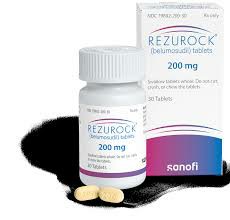
From a pharmacological perspective, besudil and ruxolitinib act on different signaling pathways—ROCK2 and JAK-STAT, which makes the two complementary in mechanism. Theoretically, combined use may enhance control of cGVHD, especially in patients for whom monotherapy is ineffective or ineffective. Some current clinical studies and case reports also show that combined medication may lead to better clinical responses and symptom relief.
However, the safety of combined medication is an issue that must be paid close attention to. Both besudil and ruxolitinib have immunomodulatory effects. When used together, they may aggravate immunosuppression and increase the risk of infection, especially the possibility of opportunistic infections and viral activation. In addition, the metabolism of both drugs involves liver enzymes, and there is a potential risk of drug interaction. Liver function and blood drug concentration need to be monitored. In particular, the metabolism of ruxolitinib is regulated by the cytochrome P450 enzyme system. If besudil affects the activity of related enzymes, it may change the pharmacokinetics of ruxolitinib.
In clinical practice, the combined use of besudil and ruxolitinib must be evaluated by an experienced physician team to make individualized decisions based on the patient's disease status, previous treatment history, and comorbidities. During use, blood levels, liver and kidney function, and signs of infection should be closely monitored, and the dose should be adjusted to reduce the risk of adverse events. In addition, patients need to receive detailed medication education, understand potential side effects and early symptoms, and ensure timely medical treatment.
At present, although some studies have focused on the efficacy and safety of besudil combined with other immunosuppressants, there is still a lack of systematic clinical data on the combination of besudil and ruxolitinib for the treatment of cGVHD and no broad consensus has been formed. The main guidelines recommend that for patients with refractory or relapsed cGVHD, doctors can try combination therapy under close monitoring, but more large clinical trial data are still needed to support it.
Reference: https://www.drugs.com/pro/rezurock.html
[ 免责声明 ] 本页面内容来自公开渠道(如FDA官网、Drugs官网、原研药厂官网等),仅供持有医疗专业资质的人员用于医学药学研究参考,不构成任何治疗建议或药品推荐。所涉药品可能未在中国大陆获批上市,不适用于中国境内销售和使用。如需治疗,请咨询正规医疗机构。本站不提供药品销售或代购服务。


