
.jpeg)
Are there any serious side effects of using baricitinib? What are the common reactions?
Although baricitinib (Baricitinib) has shown good efficacy in the treatment of autoimmune diseases such as rheumatoid arthritis , as an immunomodulatory drug, its use is also accompanied by a certain risk of side effects, especially directly related to its mechanism of action. Because it affects the expression of a variety of cytokines by inhibiting the JAK signaling pathway, it has a greater impact on the immune system. Special attention must be paid to the possibility of infection, hematological changes and other systemic reactions during use.
The most common adverse reactions are infectious side effects, including upper respiratory tract infections, urinary tract infections, and herpes zoster. The emergence of these risks is related to the inhibition of leukocyte activity by baricitinib. Especially when other immunosuppressants such as glucocorticoids or DMARDs are used in combination, the risk of infection may further increase. Therefore, a thorough evaluation of past infection history is required before treatment and regular monitoring during treatment.
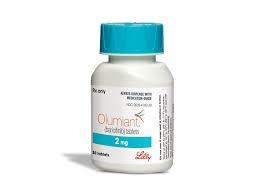
Another common adverse reaction is changes in laboratory indicators, including neutropenia, lymphopenia, increased liver enzymes, and changes in blood lipid levels. Most of these changes are reversible and can be intervened by adjusting dosage or suspending treatment, but they require close monitoring. In particular, elevated blood lipids may increase the risk of cardiovascular events in some patients, and this needs to be combined with a comprehensive assessment of basic metabolic status.
In addition, venous thromboembolic events (VTE), including deep vein thrombosis and pulmonary embolism, have been reported in users of baricitinib. This risk mainly occurs in patients with a history of VTE or other high-risk factors. Therefore, individuals with thrombophilia need to weigh the pros and cons and use medication with caution. Some studies have also observed an increased risk of rare tumors, but there is currently no clear causal relationship and further verification with long-term data is needed.
Reference materials:https://go.drugbank.com/drugs/DB11817
[ 免责声明 ] 本页面内容来自公开渠道(如FDA官网、Drugs官网、原研药厂官网等),仅供持有医疗专业资质的人员用于医学药学研究参考,不构成任何治疗建议或药品推荐。所涉药品可能未在中国大陆获批上市,不适用于中国境内销售和使用。如需治疗,请咨询正规医疗机构。本站不提供药品销售或代购服务。


