
.jpeg)
Brivaracetam/Brivaracetam vs. Levetiracetam
Brivaracetam (Brivaracetam) and levetiracetam (Levetiracetam) are two anti-epileptic drugs currently widely used clinically. Both are second-generation anti-epileptic drugs and have similar structural basis, but there are important differences in pharmacological mechanisms, clinical applications, tolerance and individual responses. As epilepsy treatment strategies continue to be optimized, doctors and patients are increasingly paying attention to the differences between these two drugs in order to choose the regimen that best suits individual conditions and tolerance.
From the mechanism of action, both brivaracetam and levetiracetam exert their anti-epileptic effects mainly by binding to synaptic vesicle protein 2A (SV2A), and this target is considered to be an important pathway affecting neurotransmitter release. However, studies have shown that brivaracetam has a significantly higher affinity for SV2A than levetiracetam, meaning it may produce similar or even stronger anti-epileptic effects at relatively lower doses. At the same time, Brivaracetam also has a certain degree of sodium channel inhibition. Although this mechanism is not its main anti-epileptic pathway, it may play an auxiliary role in certain types of epileptic seizures. Levetiracetam has almost no sodium channel regulatory effect, and its anti-epileptic activity relies almost entirely on SV2A-mediated neurotransmitter regulation.
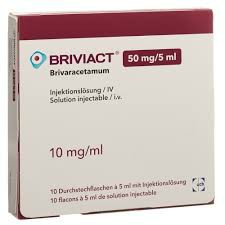
In terms of pharmacokinetics, Brivaracetam exhibits faster brain tissue distribution and stronger central nervous system penetration, which means it has a faster onset of action and is particularly suitable for clinical scenarios where rapid seizure control is required. In addition, brivaracetam has a slightly higher protein binding rate and a relatively single metabolic pathway. It is mainly metabolized by liver CYP enzymes, and the metabolites have weak pharmacological activity. Levetiracetam is mainly excreted by the kidneys and is safer for patients with hepatic dysfunction. However, the dose needs to be adjusted in patients with renal insufficiency.
In terms of clinical tolerability and side effects, although both are considered relatively safe, the more common adverse reactions of levetiracetam are behavioral and emotional side effects, such as irritability, aggression, depression or mood swings, which is particularly prominent in children or emotionally sensitive people. In contrast, brivaracetam has a lower incidence of emotional side effects and is considered superior in terms of behavioral side effects, so it is often recommended for patients who are sensitive to the adverse emotional effects of levetiracetam. In addition, brivaracetam is also considered by some physicians to help improve patient compliance, especially during long-term treatment.
In terms of therapeutic indications, levetiracetam has been approved for a wide range of types of epileptic seizures, including partial seizures, primary generalized tonic-clonic seizures and myoclonic seizures. Brivaracetam is mainly used for partial-onset seizures in adults or patients aged 16 years and above. As a single agent or adjuvant therapy, its scope of application is not as wide as that of levetiracetam, but it has a clear effect in the specific treatment of partial-onset seizures, especially in patients who fail or have poor tolerance to levetiracetam. Brivaracetam can be an effective alternative.
From the perspective of convenience of use, both Brivaracetam and Levetiracetam are available in oral tablet and injection forms, suitable for different treatment scenarios in inpatient and outpatient settings. Brivaracetam is administered less frequently daily, usually twice or once daily, which has certain advantages in improving patient compliance. Although levetiracetam is less frequently administered, it has a relatively higher discontinuation rate due to adverse emotional reactions in some patients, which may affect long-term management.
Reference materials:https://www.briviact.com/
[ 免责声明 ] 本页面内容来自公开渠道(如FDA官网、Drugs官网、原研药厂官网等),仅供持有医疗专业资质的人员用于医学药学研究参考,不构成任何治疗建议或药品推荐。所涉药品可能未在中国大陆获批上市,不适用于中国境内销售和使用。如需治疗,请咨询正规医疗机构。本站不提供药品销售或代购服务。


