
.jpeg)
What key information should you pay attention to in the package insert of Fezonatant?
1. Indications
Fezolinetant is an innovative neurokinin 3 (NK3) receptor antagonist, mainly used to treat moderate to severe vasomotor symptoms experienced by menopausal women, especially hot flashes and night sweats. This type of symptom is a common physiological change in menopause. Decreased ovarian function leads to fluctuations in hormone levels, causing abnormalities in the body temperature regulation center, resulting in sudden vasodilation and sweating.
Vasomotor symptoms of menopause not only affect women’s quality of life, but may also cause sleep disorders, mood swings, and limitations in daily functions. As a non-hormonal treatment, filazonatant provides an effective and safe alternative for patients who are unable or unwilling to undergo hormone replacement therapy (HRT). It modulates the thermoregulatory center by selectively blocking NK3 receptors in the central nervous system, thereby reducing the frequency and severity of hot flashes.
Currently, fizonatant has been approved for this indication in many countries and is the first approved NK3 receptor antagonist after hormone replacement therapy. This reflects important progress in drug development in the field of menopausal management.
2. Usage and dosage
The recommended dose of filazonatant is 45 mg administered orally once daily. The drug can be taken before or after meals, and the flexible dosing time provides patient convenience. In order to ensure efficacy and safety, a baseline blood test is required before starting medication, focusing on assessing liver function. This test is critical in determining whether a patient is appropriate to start taking fezonastat because of the possible effects of this drug on the liver.
During the treatment process, it is recommended that patients undergo follow-up blood tests at the 3rd, 6th and 9th month after taking the drug to monitor changes in liver function to ensure timely detection of potential liver damage risks. If a patient develops symptoms related to liver damage, such as jaundice, persistent fatigue, loss of appetite, darkened urine, etc., relevant blood tests should be performed immediately and adjustments to the treatment plan should be considered.
Dosage adjustments of fezonatant are generally less frequent unless adverse reactions occur or the clinician recommends dose adjustment based on the patient's specific conditions. Since its mechanism of action is non-hormonal, there is no need to monitor hormone levels during use, making it simpler than traditional hormone therapy.
3. Adverse reactions and precautions
The safety profile of fezonatant is generally good, with common adverse reactions including mild to moderate headache, diarrhea, fatigue and nausea, which are mostly transient and resolve spontaneously. Since drugs may cause a certain burden on the liver, special attention needs to be paid to liver function indicators to avoid serious liver damage.
In addition, patients should avoid concomitant use of drugs that may affect liver metabolism, such as certain anti-epileptic drugs, anti-tuberculosis drugs and specific antifungal drugs, to prevent drug-drug interactions from causing abnormal liver function.
4. Medication for Special Populations
The safety of fezonatant has not been well studied in pregnant and breastfeeding women and its use is generally recommended to be avoided. For patients with severely impaired liver function, caution should be exercised when using fezonatant, or the medication regimen should be adjusted as directed by a physician.
5. Drug action mechanism
Fizolinant regulates the body temperature control center by blocking neurokinin3 receptors in the hypothalamus of the brain. In menopausal women, the decrease in estrogen causes neurokinin 3 signaling to be overactive, causing hot flashes. By antagonizing NK3 receptors, fezonatant reduces this signal transmission, reduces the occurrence of vasomotor symptoms, and improves patients' quality of life.
6. Drug storage and packaging
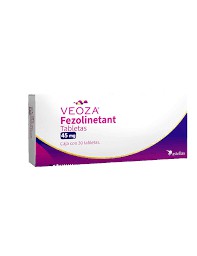
Fezonatant is usually packaged as45 mg tablets, with each box containing 30 tablets. When storing, it needs to be protected from light, kept at room temperature, and protected from moisture and high temperatures to ensure the stability and efficacy of the drug.
Reference materials:https://www.veozah.com/
[ 免责声明 ] 本页面内容来自公开渠道(如FDA官网、Drugs官网、原研药厂官网等),仅供持有医疗专业资质的人员用于医学药学研究参考,不构成任何治疗建议或药品推荐。所涉药品可能未在中国大陆获批上市,不适用于中国境内销售和使用。如需治疗,请咨询正规医疗机构。本站不提供药品销售或代购服务。


