
.jpeg)
Do I need to take Anamorelin for life after taking it? Why?
Anamorelin (Anamorelin) is a selective ghrelin receptor agonist, mainly used to treat cancer-related cachexia (cancer cachexia), especially in patients with non-small cell lung cancer, showing good effects on improving body weight, enhancing muscle mass and appetite. These diseases are often accompanied by chronic inflammation, reduced energy intake, and increased protein breakdown. Therefore, the goal of treatment is not only to increase the patient's weight in the short term, but also to improve the quality of life and functional status. In actual use, anamorelin is usually administered in the form of oral tablets, which are convenient and easy for patients to manage at home for a long time.
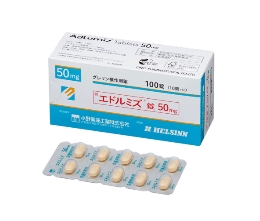
As to whether you need to take anamorelin for life, you actually need to make a comprehensive judgment from multiple angles. First of all, the main effect of anamulin is to activate the appetite center of the hypothalamus by simulating the action of the hunger hormone ghrelin, thereby enhancing appetite and increasing food intake. However, it does not treat the underlying disease itself that causes cachexia, so once the drug is discontinued, its pharmacological effects are likely to wear off and symptoms such as loss of appetite and weight loss may return.
However, this does not mean that all patients need to take it for life. In clinical practice, doctors will dynamically adjust the duration of drug use based on individual disease development, basic disease treatment progress, nutritional status, physical fitness level and other factors. For patients whose condition is stable and whose basal metabolism has improved, they may try to reduce the drug or stop the drug for observation after a period of effective treatment. For patients with severe disease fluctuations, long-term malnutrition or continued weight loss, longer-term or even maintenance use of anamorelin may be required.
In addition, because anamorelin is a drug that acts on the central nervous system and regulates metabolism, long-term use may require monitoring of its safety, including potential cardiovascular effects or endocrine-related side effects. Regular follow-up and physical evaluation become an important basis for guiding whether to continue taking it.
Reference materials:https://pmc.ncbi.nlm.nih.gov/articles/PMC4677053/
[ 免责声明 ] 本页面内容来自公开渠道(如FDA官网、Drugs官网、原研药厂官网等),仅供持有医疗专业资质的人员用于医学药学研究参考,不构成任何治疗建议或药品推荐。所涉药品可能未在中国大陆获批上市,不适用于中国境内销售和使用。如需治疗,请咨询正规医疗机构。本站不提供药品销售或代购服务。


