
.jpeg)
What are the new treatment options after osimertinib resistance?
Osimertinib (Osimertinib) is a third-generation EGFRtyrosine kinase inhibitor (TKI), widely used in patients with EGFR mutation-positive non-small cell lung cancer, especially for drug-resistant cases containing T790M mutation. However, as treatment continues, some patients will develop resistance to osimertinib, leading to disease progression. For the treatment of osimertinib resistance, new options are constantly emerging, providing more clinical options.
Given the diversity of resistance mechanisms to osimertinib, treatment strategies need to be individualized. Currently, commonly used clinical solutions include re-molecular testing based on the type of drug-resistant mutations to clarify the specific causes of drug resistance, such as C797S mutation, METamplification, HER2amplification, etc. For patients carrying the C797S mutation, some studies have explored combining first- or second-generation EGFR-TKI (such as erlotinib, gefitinib) treatment to overcome drug resistance; for patients with MET amplification, combination with MET inhibitors (such as capmatinib, crizotinib) can be considered to enhance the efficacy.
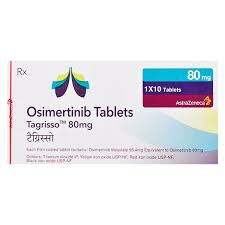
Immunotherapy has become one of the treatment options for patients with osimertinib resistance. Although the response rate of patients with EGFR mutations to immune checkpoint inhibitors (ICI) alone is relatively low, after resistance to osimertinib, some patients can obtain certain efficacy through immune combination chemotherapy regimens. For example, PD-1/PD-L1 inhibitors combined with platinum doublet chemotherapy are expected to improve the progression-free survival and overall survival of patients. It should be noted that immunotherapy should be carefully selected based on the patient's specific situation and the characteristics of the tumor microenvironment.
Clinical trials offer important opportunities for patients who are resistant to osimertinib. A number of new EGFR inhibitors, dual-target inhibitors and innovative drugs targeting emerging resistance mechanisms are under development. By participating in relevant clinical trials, patients not only have the opportunity to obtain the latest therapeutic drugs, but also contribute data to explore resistance mechanisms and develop new treatments. In addition, local treatments such as radiotherapy and surgery combined with systemic treatments can also be used as a complementary strategy for partially drug-resistant patients to help control local lesions and prolong survival.
Reference materials:https://go.drugbank.com/drugs/DB09330
[ 免责声明 ] 本页面内容来自公开渠道(如FDA官网、Drugs官网、原研药厂官网等),仅供持有医疗专业资质的人员用于医学药学研究参考,不构成任何治疗建议或药品推荐。所涉药品可能未在中国大陆获批上市,不适用于中国境内销售和使用。如需治疗,请咨询正规医疗机构。本站不提供药品销售或代购服务。


