
.jpeg)
Cabergoline (Cabergoline) Instructions Main Functions and Dosage Instructions
Cabergoline (Cabergoline) is an oral dopamine receptor agonist mainly used to treat a variety of diseases caused by hyperprolactinemia (hyperprolactinemia). This drug stimulates dopamine receptors in the brain and inhibits the secretion of prolactin (PRL) in the anterior lobe of the pituitary gland, thereby regulating hormone levels in the body and restoring normal endocrine function. Cabergoline has a wide range of applications, involving many fields such as endocrinology, gynecology, and neurology. It is one of the important drugs in the clinical treatment of related diseases.
Main functions
Cabergoline is most commonly used to treat hyperprolactinemia, especially conditions caused by pituitary microadenomas or macroadenomas. Patients with hyperprolactinemia often present with symptoms such as irregular menstruation, amenorrhea, infertility, galactorrhea, and sexual dysfunction. Cabergoline can effectively alleviate the above clinical manifestations by reducing the concentration of prolactin in the blood. In addition, cabergoline is also used to treat acromegaly caused by pituitary tumors because the drug can inhibit the abnormal secretion of growth hormone and help control the progression of the disease. Cabergoline also plays a role in the adjuvant treatment of Parkinson's disease because, due to its dopamine agonist properties, it can improve movement disorders caused by insufficient dopamine function.
In the field of gynecology, cabergoline is also used to treat female infertility caused by excessive prolactin, helping to restore ovulation function and improve pregnancy rates. Cabergoline can also effectively control abnormal lactation in lactating women and prevent unnecessary milk secretion. In recent years, cabergoline has also been studied for the prevention and treatment of certain types of acromegaly and pituitary-related diseases, showing good therapeutic prospects.
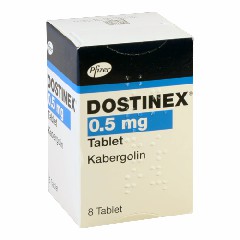
Dosage instructions
The dose of cabergoline should be individually adjusted based on the patient's specific condition, weight, age, and tolerance to the drug. Typically, the starting dose for the treatment of hyperprolactinemia is lower, starting with 0.25 mg orally once or twice weekly in adults. Based on efficacy and side effects, doctors will gradually adjust the dose. A common maintenance dose range is 0.5 mg to 1.0 mg per week. Some patients may require higher doses, but it is not advisable to exceed the maximum dose recommended by your doctor to avoid adverse reactions.
When treating pituitary acromegaly, the dose of cabergoline is relatively high, usually starting from 0.5mg per week and gradually increasing to 3-6mg per week, divided into several doses. Patients need to regularly monitor blood hormone levels and clinical symptoms, and adjust the dosage to achieve the best effect. The dosage for Parkinson's disease patients is more individualized, and doctors will adjust the frequency and dosage according to symptoms.
Doctor's advice should be followed strictly when taking cabergoline, and it is recommended to take it after meals to reduce gastrointestinal discomfort. Patients may experience mild side effects such as dizziness, nausea, and fatigue in the early stages, which usually subside as the medication lasts longer. If severe discomfort occurs, seek medical treatment promptly. Patients taking medications for a long period of time need to undergo regular cardiac ultrasound examinations to monitor possible heart valve changes and ensure the safety of medication.
Things to note
Cabergoline should not be used in patients who are allergic to this drug or to ergot compounds. Pregnant and lactating women should use it with caution and under the guidance of a doctor after weighing the pros and cons. The drug may interact with other dopamine agonists or antipsychotic drugs, affecting efficacy or increasing side effects. You should inform your doctor about all drugs you are taking while taking the drug. You should avoid driving or operating complex machinery while taking cabergoline because the drug may cause drowsiness or dizziness.
In summary, cabergoline, as a potent dopamine receptor agonist, plays an important role in the treatment of hyperprolactinemia and related diseases. Reasonable dosage adjustment and standardized medication management are the keys to ensuring therapeutic efficacy and medication safety. Patients should strictly abide by the doctor's instructions, review regularly, and actively provide feedback on any discomfort that occurs during medication so that the treatment plan can be adjusted in a timely manner to obtain the best therapeutic effect.
Reference materials:https://my.clevelandclinic.org/health/drugs/20863-cabergoline-tablets
[ 免责声明 ] 本页面内容来自公开渠道(如FDA官网、Drugs官网、原研药厂官网等),仅供持有医疗专业资质的人员用于医学药学研究参考,不构成任何治疗建议或药品推荐。所涉药品可能未在中国大陆获批上市,不适用于中国境内销售和使用。如需治疗,请咨询正规医疗机构。本站不提供药品销售或代购服务。


