
.jpeg)
What precautions should be taken while taking trametinib?
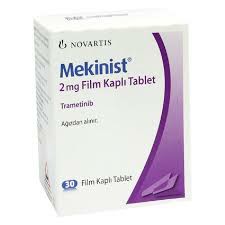
Trametinib is an oral MEK inhibitor mainly used to treat BRAF V600 mutation-positive malignant melanoma. It can also be combined with dabrafenib to treat certain non-small cell lung cancer or thyroid cancer. As a targeted therapy drug, trametinib can effectively inhibit the proliferation and survival of tumor cells, but multiple aspects need to be paid close attention to during medication to ensure efficacy and reduce the occurrence of adverse reactions. This article will introduce in detail the precautions while taking trametinib from the aspects of medication guidance, adverse reaction monitoring, diet and lifestyle habits, drug interactions, and precautions for special groups.
1. Medication guidance
1. It is best to take it on an empty stomach
Trametinib is recommended to be taken once daily on an empty stomach, preferably at the same time every day. The medication should be taken at least 1 hour before or 2 hours after a meal. Avoid taking it with food to avoid affecting drug absorption.
2. Do not stop taking the medicine or change the dosage at will
During the period of taking the medicine, you must strictly follow the doctor's prescription, and you are not allowed to increase or decrease the dosage or stop the medicine without authorization. Even if minor discomfort occurs, it is not recommended to deal with it privately. You should consult a doctor before making a decision.
3. Be careful when handling missed doses
If you miss a dose of trametinib and it is more than 12 hours before the next dose, you can take it again; if it is less than 12 hours, you should skip the missed dose and do not take double dose.
2. Adverse reaction monitoring
Common adverse reactions of trametinib include rash, diarrhea, fatigue, fever, abnormal cardiac function, etc. During treatment, you should pay close attention to physical changes and conduct relevant examinations regularly:
1.Skin reaction
Rash is one of the most common adverse reactions of trametinib, which may develop into severe skin lesions such as Stevens-Johnson syndrome. If the rash worsens or peeling, blisters, etc. occur, the medication should be stopped in time and medical treatment should be sought.
2. Heart function monitoring
Trametinib may cause a decrease in the heart's ejection fraction, leading to symptoms of heart failure. Patients need regular cardiac ultrasound examinations, especially those with a history of heart disease. If you have difficulty breathing, edema of the lower limbs, or obvious weakness, you should seek medical treatment as soon as possible.
3. Abnormal vision
Problems such as retinal vein occlusion or retinal epithelial detachment may occur while taking the medication. If you experience blurred vision, eye pain, flashes of light, or visual field loss, you should seek medical attention immediately.
4. Fever and risk of infection
Trametinib may cause fever, especially when combined with dabrafenib. If the body temperature exceeds 38.5°C and is accompanied by chills, cough, sore throat, etc., you should be alert to potential infections and seek medical treatment in time.
5. Gastrointestinal symptoms
1. Avoid high-fat diet
High-fat diet may affect drug metabolism. You should try to choose a light and easy-to-digest diet, increase the intake of fruits and vegetables, and reduce fried, barbecued and other heavy-flavored foods.
2. Maintain appropriate exercise
If your physical condition permits, engaging in light exercise such as walking can help improve immunity and relieve fatigue caused by medications.
3. Pay attention to personal hygiene and skin care
Dry skin and rashes are common, so you should use moisturizer daily and avoid long-term bathing in hot water and direct sunlight. If there is itching or ulceration, do not scratch it and seek medical treatment promptly.
4. Limit drinking and avoid smoking
Alcohol and tobacco may affect drug metabolism or increase the burden on the liver. Patients are advised to completely quit smoking and limit alcohol consumption.
4. Drug interactions
Trametinib is metabolized by the liver in the body and may interact with other drugs:
1. Avoid co-use with strong CYP3A inhibitors/inducers
Drugs such as ketoconazole and rifampin will affect the plasma concentration of trametinib, thereby affecting the efficacy or increasing the risk of toxicity. Before using other drugs, you should inform your doctor in advance of all current medications.
2. Pay attention to the risks of combining with anticoagulant drugs
Trametinib may increase the risk of bleeding. If patients are taking anticoagulants such as warfarin, their coagulation function should be closely monitored during treatment.
3. Avoid using herbal supplements or health products with unknown ingredients
Certain herbs such as St. John's wort may affect the metabolism of trametinib and should be avoided while taking this medicine.
5. Medication precautions for special groups
1. Contraindicated for pregnant and lactating women
Trametinib has potential teratogenic risks to the fetus, and effective contraceptive measures should be used during treatment and for at least 4 weeks after discontinuation of treatment. Breastfeeding women should also avoid taking the drug to avoid affecting the baby through breast milk.
2. There is insufficient research to support use in pediatric patients
Trametinib is currently mainly used for the treatment of adults. The safety and effectiveness of its use in children are not yet clear, so its use in pediatric patients is not recommended.
3. Elderly people need to be carefully evaluated
Elderly patients have reduced organ functions and are more likely to experience side effects after taking the drug. They need to be used under the guidance of a doctor and strengthened monitoring.
6. Regular review and medical advice
Patients should be reviewed regularly while taking trametinib, including liver and kidney function, heart function, blood routine, skin examination, vision screening, etc. If any abnormal symptoms occur, such as persistent fever, severe diarrhea, skin lesions, sudden changes in vision, or palpitation and shortness of breath, you should contact your doctor immediately to avoid aggravation of the condition.
In summary, trametinib has significant efficacy in the treatment of BRAF mutation-related tumors, but it is also accompanied by certain toxic side effects and medication risks. Patients should strictly follow the doctor's instructions, pay attention to their own physical changes, conduct regular reviews and reasonably arrange their diet and lifestyle to ensure the safety and effectiveness of treatment. If you have any questions, you should consult a professional doctor or pharmacist in time and avoid handling it without authorization.
Reference: https://go.drugbank.com/drugs/DB08911
1. Medication guidance
1. It is best to take it on an empty stomach
Trametinib is recommended to be taken once daily on an empty stomach, preferably at the same time every day. The medication should be taken at least 1 hour before or 2 hours after a meal. Avoid taking it with food to avoid affecting drug absorption.
2. Do not stop taking the medicine or change the dosage at will
During the period of taking the medicine, you must strictly follow the doctor's prescription, and you are not allowed to increase or decrease the dosage or stop the medicine without authorization. Even if minor discomfort occurs, it is not recommended to deal with it privately. You should consult a doctor before making a decision.
3. Be careful when handling missed doses
If you miss a dose of trametinib and it is more than 12 hours before the next dose, you can take it again; if it is less than 12 hours, you should skip the missed dose and do not take double dose.
2. Adverse reaction monitoring
Common adverse reactions of trametinib include rash, diarrhea, fatigue, fever, abnormal cardiac function, etc. During treatment, you should pay close attention to physical changes and conduct relevant examinations regularly:
1.Skin reaction
Rash is one of the most common adverse reactions of trametinib, which may develop into severe skin lesions such as Stevens-Johnson syndrome. If the rash worsens or peeling, blisters, etc. occur, the medication should be stopped in time and medical treatment should be sought.
2. Heart function monitoring
Trametinib may cause a decrease in the heart's ejection fraction, leading to symptoms of heart failure. Patients need regular cardiac ultrasound examinations, especially those with a history of heart disease. If you have difficulty breathing, edema of the lower limbs, or obvious weakness, you should seek medical treatment as soon as possible.
3. Abnormal vision
Problems such as retinal vein occlusion or retinal epithelial detachment may occur while taking the medication. If you experience blurred vision, eye pain, flashes of light, or visual field loss, you should seek medical attention immediately.
4. Fever and risk of infection
Trametinib may cause fever, especially when combined with dabrafenib. If the body temperature exceeds 38.5°C and is accompanied by chills, cough, sore throat, etc., you should be alert to potential infections and seek medical treatment in time.
5. Gastrointestinal symptoms
Including diarrhea, nausea, vomiting, etc., you should pay attention to replenishing water and use antidiarrheal drugs if necessary. If symptoms are severe, you should discuss with your doctor to adjust the dose.
1. Avoid high-fat diet
High-fat diet may affect drug metabolism. You should try to choose a light and easy-to-digest diet, increase the intake of fruits and vegetables, and reduce fried, barbecued and other heavy-flavored foods.
2. Maintain appropriate exercise
If your physical condition permits, engaging in light exercise such as walking can help improve immunity and relieve fatigue caused by medications.
3. Pay attention to personal hygiene and skin care
Dry skin and rashes are common, so you should use moisturizer daily and avoid long-term bathing in hot water and direct sunlight. If there is itching or ulceration, do not scratch it and seek medical treatment promptly.
4. Limit drinking and avoid smoking
Alcohol and tobacco may affect drug metabolism or increase the burden on the liver. Patients are advised to completely quit smoking and limit alcohol consumption.
4. Drug interactions
Trametinib is metabolized by the liver in the body and may interact with other drugs:
1. Avoid co-use with strong CYP3A inhibitors/inducers
Drugs such as ketoconazole and rifampin will affect the plasma concentration of trametinib, thereby affecting the efficacy or increasing the risk of toxicity. Before using other drugs, you should inform your doctor in advance of all current medications.
2. Pay attention to the risks of combining with anticoagulant drugs
Trametinib may increase the risk of bleeding. If patients are taking anticoagulants such as warfarin, their coagulation function should be closely monitored during treatment.
3. Avoid using herbal supplements or health products with unknown ingredients
Certain herbs such as St. John's wort may affect the metabolism of trametinib and should be avoided while taking this medicine.
5. Medication precautions for special groups
1. Contraindicated for pregnant and lactating women
Trametinib has potential teratogenic risks to the fetus, and effective contraceptive measures should be used during treatment and for at least 4 weeks after discontinuation of treatment. Breastfeeding women should also avoid taking the drug to avoid affecting the baby through breast milk.
2. There is insufficient research to support use in pediatric patients
Trametinib is currently mainly used for the treatment of adults. The safety and effectiveness of its use in children are not yet clear, so its use in pediatric patients is not recommended.
3. Elderly people need to be carefully evaluated
Elderly patients have reduced organ functions and are more likely to experience side effects after taking the drug. They need to be used under the guidance of a doctor and strengthened monitoring.
6. Regular review and medical advice
Patients should be reviewed regularly while taking trametinib, including liver and kidney function, heart function, blood routine, skin examination, vision screening, etc. If any abnormal symptoms occur, such as persistent fever, severe diarrhea, skin lesions, sudden changes in vision, or palpitation and shortness of breath, you should contact your doctor immediately to avoid aggravation of the condition.
In summary, trametinib has significant efficacy in the treatment of BRAF mutation-related tumors, but it is also accompanied by certain toxic side effects and medication risks. Patients should strictly follow the doctor's instructions, pay attention to their own physical changes, conduct regular reviews and reasonably arrange their diet and lifestyle to ensure the safety and effectiveness of treatment. If you have any questions, you should consult a professional doctor or pharmacist in time and avoid handling it without authorization.
Reference: https://go.drugbank.com/drugs/DB08911
[ 免责声明 ] 本页面内容来自公开渠道(如FDA官网、Drugs官网、原研药厂官网等),仅供持有医疗专业资质的人员用于医学药学研究参考,不构成任何治疗建议或药品推荐。所涉药品可能未在中国大陆获批上市,不适用于中国境内销售和使用。如需治疗,请咨询正规医疗机构。本站不提供药品销售或代购服务。


