
.jpeg)
Summary of official drug instructions for neratinib/neratinib
Neratinib is an oral small molecule irreversible pan-HER receptor tyrosine kinase inhibitor that specifically targets the human epidermal growth factor receptor family, specifically HER1 (EGFR), HER2 and HER4 subtypes. The drug is widely used worldwide for extended adjuvant treatment of HER2-positive breast cancer and for the control and management of advanced metastatic disease. Its mechanism is different from HER2 monoclonal antibody drugs such as trastuzumab. Neratinib uses tyrosine kinase inhibition as its core strategy, acting on the internal signaling pathways of cells to block tumor cell proliferation and differentiation, thereby inhibiting disease progression.
In terms of indications, according to the instructions approved by major international drug regulatory agencies such as FDA and EMA, the primary indication of neratinib is for patients with early-stage HER2-positive breast cancer, especially in the extended adjuvant treatment phase after completing standard trastuzumab adjuvant therapy. The goals of treatment at this stage are to reduce the risk of cancer recurrence and improve long-term disease-free survival. In addition, neratinib is also approved for use in combination with capecitabine for the treatment of adult patients with HER2-positive advanced or metastatic breast cancer who have received at least two anti-HER2 regimens in the metastatic setting. This combination regimen has become one of the key treatment options for patients with advanced breast cancer after failure of multiple lines of therapy.
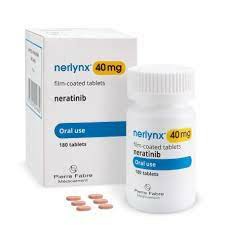
In terms of usage and dosage, neratinib needs to be taken with food every day. For the adjuvant treatment of early breast cancer, the recommended dose is 240mg, that is, 6 tablets of 40mg each are taken orally daily, and can be used continuously for up to 12 months or until the disease recurs. For the combination treatment mode of advanced or metastatic breast cancer, neratinib still maintains a daily dose of 240 mg and is taken continuously for 21 days in a 21-day treatment cycle; at the same time, capecitabine is taken on days 1-14 of each cycle, followed by a 7-day break before entering the next cycle. This type of combined medication should be carried out under the guidance of a professional doctor, and the efficacy and toxic reactions should be closely observed.
In order to reduce the high incidence of diarrhea side effects during neratinib treatment, the official instructions particularly emphasize the importance of diarrhea prevention and management. If dose escalation is not used to initiate treatment, it is recommended that patients take the anti-diarrheal drug loperamide on day 1. The initial medication should be continued for at least 56 days, and the maintenance dose will be determined based on the number of bowel movements. If the dose escalation method is adopted, a lower dose can be started in the first two weeks, such as 80 mg in the first week, 120 mg in the second week, and full dose treatment of 240 mg from the third week. This will help improve the patient's tolerance to the drug.
Dose adjustment of medications is also critical. Depending on individual patient differences, especially liver function status, dose reduction may be necessary. For patients with severe liver function impairment (such asFor patients with Child-Pugh class C), the recommended starting dose is 80 mg per day, which is significantly lower than the conventional dose to prevent drug accumulation leading to increased toxicity. During treatment, if serious adverse reactions occur, including but not limited to grade 3 diarrhea, elevated liver enzymes or other organ toxicity, treatment should be suspended until symptoms are relieved, and then based on tolerance, a decision should be made whether to resume the full dose or continue treatment at a reduced dose.
In terms of adverse reactions, the most common adverse reaction of neratinib is diarrhea, which is one of its dose-limiting toxicities. Others include nausea, vomiting, fatigue, abdominal pain, rash, and abnormal liver function. Especially in the first few weeks of treatment, the incidence of diarrhea is high, and preventive and supportive treatments are needed to better complete the full course of treatment. In addition, long-term use may lead to an increase in serum liver enzymes, so liver function should be monitored regularly during treatment so that the regimen can be adjusted in a timely manner. Neurotoxicity and cardiotoxicity are less common, but still require clinical observation.
Reference materials:https://en.wikipedia.org/wiki/Neratinib
[ 免责声明 ] 本页面内容来自公开渠道(如FDA官网、Drugs官网、原研药厂官网等),仅供持有医疗专业资质的人员用于医学药学研究参考,不构成任何治疗建议或药品推荐。所涉药品可能未在中国大陆获批上市,不适用于中国境内销售和使用。如需治疗,请咨询正规医疗机构。本站不提供药品销售或代购服务。


