
.jpeg)
Detailed introduction to tucatinib/tucatinib instruction manual
Tucatinib is an oral small molecule tyrosine kinase inhibitor, mainly used to treat HER2-positive advanced or metastatic solid tumors, especially in the treatment of breast cancer and colorectal cancer. Its mechanism of action stems from the highly selective inhibition of the HER2 receptor. This precise targeting reduces the interference with EGFR-related pathways, thus ensuring the efficacy while reducing the occurrence of related side effects.
1. Basic information and drug classification
Common name (English):Tucatinib
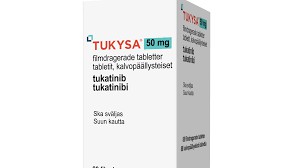
Trade name:Tukysa (overseas original research name)
Drug category:HER2 tyrosine kinase inhibitor (Tyrosine Kinase Inhibitor, TKI)
Dosage form and specifications: tablets, usually 150mg/tablet
Tucatinib inhibits the growth signaling of cancer cells by blockingHER2 receptor kinase activity, and has shown good targeted therapeutic effects especially in patients with HER2 gene overexpression or amplification.
2. Approved indications (refer to the US FDA and European EMA approval status)
(1)HER2-positive metastatic breast cancer (MBC): Tucatinib is indicated in combination with trastuzumab and capecitabine for the treatment of adult patients with HER2-positive, unresectable or metastatic breast cancer, including those with brain metastases. Such patients should have received at least one anti-HER2 regimen in the metastatic setting.
(2) HER2-positive, RAS wild-type metastatic colorectal cancer (mCRC): Tucatinib combined with trastuzumab is suitable for the treatment of patients with RAS wild-type, HER2-positive unresectable or metastatic colorectal cancer whose disease has progressed after fluoropyrimidine, oxaliplatin, and irinotecan-based chemotherapy.
3. Recommended usage and dosage
(1)Breast cancer indications: The recommended dose is 300 mg orally twice daily in combination with trastuzumab and capecitabine.
(2)Colorectal cancer indication: Still 300 mg twice daily, combined with trastuzumab.
(3) Medication precautions: It is recommended that patients take it at the same time every day, with or without meals. The tablets should be swallowed whole and avoid chewing, crushing or taking separately. If the patient misses a dose or vomits, he or she should not take additional doses but should take them as usual at the next dose time.
4. Pharmacokinetic characteristics
Tucatinib is a highly selective HER2 inhibitor, which is mainly metabolized by the liver in the body. The drug has good blood-brain barrier penetration ability, which is particularly important for patients with brain metastases. Its half-life allows stable maintenance of a twice-daily dosing regimen, making it suitable for long-term management.
5. Common side effects and monitoring
Although the side effects of tucatinib are reduced compared with other broad-spectrum tyrosine kinase inhibitors, you still need to pay attention to the following during treatment:
Gastrointestinal reactions: Such as diarrhea, nausea, vomiting
Abnormal liver function: Regular monitoring of aminotransferase (ALT/AST) and bilirubin levels is required
Fatigue: One of the more common adverse reactions
Skin reaction: Rarely common but need to pay attention to the occurrence of rash
If serious adverse events occur, dose reduction or treatment suspension should be considered based on the grade of toxicity.
6. Medication contraindications and precautions
(1)Contraindications: It is contraindicated for those allergic to the components of tucatinib.
(2)Pregnant and lactating women: Pregnant women are not recommended to use it and need to use contraception during the medication; risks should be weighed before use during lactation, and it is recommended to suspend breastfeeding.
(3)Drug interactions: Tucatinib is a CYP3A metabolic substrate. It is necessary to avoid combining it with strong CYP3A inducers or inhibitors to prevent abnormal blood concentration.
7. Storage and Compatibility
Tucatinib should be stored in a dry environment below 25°C, avoiding high temperature and humidity. Tablets should be kept intact and should not be used broken.
Reference materials:https://www.tukysa.com/
[ 免责声明 ] 本页面内容来自公开渠道(如FDA官网、Drugs官网、原研药厂官网等),仅供持有医疗专业资质的人员用于医学药学研究参考,不构成任何治疗建议或药品推荐。所涉药品可能未在中国大陆获批上市,不适用于中国境内销售和使用。如需治疗,请咨询正规医疗机构。本站不提供药品销售或代购服务。


