
.jpeg)
How does the mechanism of action of filazonatant affect the therapeutic effect?
The mechanism of action of fezolinetant is rooted in the core link of temperature regulation dysfunction in menopausal women, namely the excessive activation between neurokinin B (NKB) and its receptor NK3R. During menopause, due to the sudden drop in estrogen levels, KNDy neurons in the hypothalamus are affected and release a large number of NKB signaling molecules, which bind to NK3 receptors and thus mistakenly send warming signals to the thermoregulatory center, causing hot flashes and night sweats. Fezonatant selectively blocks NK3 receptors, interrupts this erroneous signaling, restores the balance of thermal regulation from the source, and significantly reduces the frequency and intensity of vasomotor symptoms.
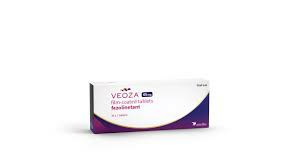
One of the highlights of its mechanism is that it is hormone-independent. Compared with traditional estrogen replacement therapy, fizolinatant does not directly act on hormone-sensitive tissues such as the breast and uterus, so it can avoid the risk of cancer, thrombosis or adverse cardiovascular events that may be caused by long-term use of hormone drugs. This therapeutic strategy that selectively targets central nervous system mechanisms takes into account the dual requirements of efficacy and safety.
In addition, fizonatant has good oral absorption properties and can quickly enter the central system and bind to target receptors to exert its effects. It does not interfere with other neuropeptide systems such as NK1 or NK2 receptors, so it has relatively few side effects and is suitable for long-term management of menopausal symptoms. The high specificity of the mechanism of action also makes it less likely for patients to develop drug resistance during medication, and does not require complex hormone level monitoring, which facilitates clinical management and patient compliance. More and more overseas studies have also shown that this mechanism is not only suitable for the management of perimenopausal hot flashes, but may also be expanded to the treatment of other neuroendocrine disorders in the future.
Reference materials:https://www.veozah.com/
[ 免责声明 ] 本页面内容来自公开渠道(如FDA官网、Drugs官网、原研药厂官网等),仅供持有医疗专业资质的人员用于医学药学研究参考,不构成任何治疗建议或药品推荐。所涉药品可能未在中国大陆获批上市,不适用于中国境内销售和使用。如需治疗,请咨询正规医疗机构。本站不提供药品销售或代购服务。


