
.jpeg)
How to correctly control the usage and dosage of lenvatinib/lenvatinib
Lenvatinib is a multi-target tyrosine kinase inhibitor (TKI) that exhibits significant inhibitory effects on a variety of malignant solid tumors by interfering with multiple signaling pathways such as vascular endothelial growth factor receptor (VEGFR) and fibroblast growth factor receptor (FGFR). This drug can be used as a single drug in clinical practice, or is often used in combination with other immune or targeted drugs. Its medication regimen should be individually formulated based on different indications, patient weight, liver and kidney function status, and accompanying diseases.
As monotherapy, lenvatinib is widely used to treat advanced differentiated thyroid cancer (DTC) and unresectable liver cancer (HCC). For patients with DTC, the recommended dose is 24 mg orally once daily until unacceptable adverse effects occur or disease progression. In the treatment of hepatocellular carcinoma, the dose is closely related to the patient's weight. If the patient weighs 60 kg or more, the recommended dose is 12 mg once daily; if the patient weighs less than 60 kg, the recommended dose is 8 mg once daily. This dose stratification design aims to reduce the occurrence of toxic and side effects as much as possible while ensuring the efficacy and improving treatment compliance.
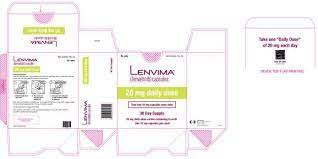
In combination therapy, lenvatinib has been approved for advanced endometrial cancer (EC) and advanced renal cell carcinoma (RCC). For patients with endometrial cancer, it is often used in combination with the immune checkpoint inhibitor pembrolizumab. The recommended oral dose is 20 mg once a day, coupled with an intravenous infusion of 200 mg of pembrolizumab every three weeks. The entire course of treatment requires close monitoring of the patient's immune response and liver and kidney function. For patients with RCC, two different combination regimens are often used in clinical practice. One is 20 mg of lenvatinib taken orally daily, combined with intravenous infusion of pembrolizumab; the other is a dual oral regimen of 18 mg of lenvatinib combined with 5 mg of everolimus, once a day. It is necessary to assess the patient's tolerance before deciding whether to reduce the dose or adjust the frequency of treatment.
It is important to note that the use of lenvatinib needs to vary from person to person. For patients with liver or kidney function impairment, doctors usually recommend starting with a lower dose and making gradual adjustments based on actual tolerance. In addition, during the treatment process, lenvatinib may cause a series of adverse reactions, such as hypertension, proteinuria, fatigue, diarrhea, etc. Therefore, it is necessary to regularly monitor blood pressure, liver and kidney function, electrolyte levels and other indicators during the treatment process, and promptly assess the risk of adverse drug reactions in order to conduct scientific intervention on dosage.
In actual operation, patients must not change the dosage or stop taking the medicine without authorization. Once obvious side effects occur, they should report to a specialist in time to evaluate whether the treatment needs to be temporarily interrupted or the plan adjusted. At the same time, lenvatinib should not be combined with certainThe combination of strong CYP3A4 inhibitors or inducers can avoid drastic fluctuations in plasma concentration due to drug interactions, which may affect efficacy or safety. Therefore, it is recommended that patients consult their doctor or pharmacist in advance if they need to combine other drugs while taking this medicine.
In summary, the dosage of lenvatinib should be individually customized by professional doctors based on the patient's clinical manifestations, weight, concomitant medications, and organ function. Whether it is a single drug or a combination regimen, it needs to be used regularly and under medical supervision for a long time to achieve maximum therapeutic benefits and reduce potential risks. For patients, maintaining close communication with the medical team, insisting on regular review and strictly following medical instructions are the core guarantees for the safe use of lenvatinib.
Reference materials:https://www.lenvima.com/
[ 免责声明 ] 本页面内容来自公开渠道(如FDA官网、Drugs官网、原研药厂官网等),仅供持有医疗专业资质的人员用于医学药学研究参考,不构成任何治疗建议或药品推荐。所涉药品可能未在中国大陆获批上市,不适用于中国境内销售和使用。如需治疗,请咨询正规医疗机构。本站不提供药品销售或代购服务。


