
.jpeg)
Systemic corticosteroids enhance the efficacy of baricitinib/baricitinib in the treatment of alopecia areata
New findings suggest that combining systemic corticosteroids with baricitinib will enhance the drug's efficacy in patients with severe alopecia areata and provide sustained benefits, particularly among partial responders. These findings are the result of a new retrospective study evaluating the addition of corticosteroids in adults with alopecia areata. Previous findings suggest baricitinib is an effective treatment for severe alopecia areata. However, despite using this drug, some patients with hair loss experience unsatisfactory results.
In this setting, the combination of baricitinib and corticosteroids emerges as a potential treatment option. A retrospective study to evaluate the efficacy and safety of adding corticosteroids to adults with severe alopecia areata treated with baricitinib. The researchers evaluated individuals with severe alopecia areata, who highlighted alopecia areata severity tool (SALT) scores greater than 50. The subjects were initially treated with baricitinib and later with systemic corticosteroids—either oral corticosteroids or intramuscular triamcinolone acetonide (IMTAC). There were 25 participants in total, the median age was 46 years (range: 27-65 years), and 72% were female.
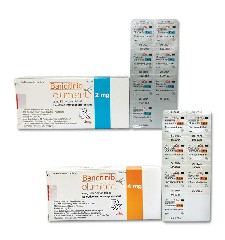
The primary outcome was the number of trial subjects who achieved a SALT score of 20 or less over 12 weeks. They defined a partial response as a ≥10% increase in SALT score from baseline. In terms of secondary outcomes, these included changes in clinician-reported brow and eyelash regeneration outcomes (ClinRO). The investigative team also recorded all adverse events. The average duration of alopecia areata before enrollment was 4 years. Participants took 4 mg of baricitinib daily as monotherapy for a median of 20 weeks before corticosteroids were introduced. So far, researchers have shown improvement in SALT-20 scores in only 12% of patients, and the median SALT score was 60 before starting corticosteroids.
The addition of corticosteroids to the treatment regimen was primarily due to partial response (88%). In a few cases, relapse occurred after initial improvement (12%). The corticosteroid regimen consisted of oral dexamethasone 0.1 mg/kg twice weekly (dose range: 3-6 mg), administered in 40% of subjects, and IMTAC 40 mg every 4 weeks, administered in 60% of subjects. The team emphasized that the median duration of corticosteroid use was 12 weeks.
After corticosteroid treatment,Fifteen patients (60%) had a SALT score of 20 or less, with a median SALT score of 10 (range: 0-100). Over a median follow-up period of 24 weeks after stopping corticosteroids, 96% of trial subjects (all but 1) maintained the observed clinical improvement. Any adverse events reported during baricitinib monotherapy were mild and occurred in only 4 patients. These events include gastrointestinal symptoms, acne, dyslipidemia, and recurrence of herpes simplex. No one required any dose adjustment or discontinuation of baricitinib.
After the introduction of systemic corticosteroids, 4 additional subjects experienced new mild side effects. Specifically, there were 3 cases of insomnia and 1 case of gastrointestinal discomfort. Of note, however, the researchers found that no serious adverse events were reported throughout the study period.
In conclusion, adding systemic corticosteroids to patients receiving baricitinib improves efficacy in severe alopecia areata, particularly in partial responders, with sustained benefit. The combination does not appear to significantly increase adverse effects compared with administration of each therapy alone.
Reference materials:https://go.drugbank.com/drugs/DB11817
[ 免责声明 ] 本页面内容来自公开渠道(如FDA官网、Drugs官网、原研药厂官网等),仅供持有医疗专业资质的人员用于医学药学研究参考,不构成任何治疗建议或药品推荐。所涉药品可能未在中国大陆获批上市,不适用于中国境内销售和使用。如需治疗,请咨询正规医疗机构。本站不提供药品销售或代购服务。


