
.jpeg)
Efficacy and effects of imatinib mesylate (Gleevec) tablets
First, the main indications for imatinib mesylate include chronic myelogenous leukemia (CML), Philadelphia chromosome-positive acute lymphoblastic leukemia (Ph+ ALL), gastrointestinal stromal tumors (GIST), and other solid tumors driven by specific genetic mutations. About 95% of patients with chronic myeloid leukemia have a fusion gene called BCR-ABL, which encodes an abnormally active tyrosine kinase that drives abnormal proliferation of leukemia cells. By inhibiting the activity of this kinase, imatinib effectively prevents the growth and division of leukemia cells and fundamentally interferes with the development of the disease. In patients with GIST, the drug inhibits the proliferation of tumor cells by inhibiting KIT and PDGFRA mutated tyrosine kinases, and also significantly improves the progression-free survival of patients.
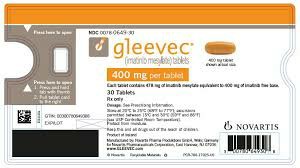
In clinical practice, a large amount of research data shows that imatinib mesylate has significant efficacy. For example, among patients in the chronic phase of CML, the complete cytological response rate can be as high as over 90%, and the remission at the molecular level is also very significant. Among GIST patients, the tumor stabilization rate and quality of life have been significantly improved after using this drug. Nonetheless, imatinib is not effective for all patients, and some patients may need to switch to second- or third-generation TKI drugs due to resistance or side effects. Therefore, it is necessary to regularly monitor genetic mutations, disease progression and other indicators during the treatment process to reasonably evaluate the efficacy.
Finally, you need to pay attention to some common adverse reactions when using imatinib, such as edema, rash, nausea, muscle pain, abnormal liver function, etc. Most of them are mild to moderate and reversible. In order to maximize the effectiveness of the medicine and reduce adverse reactions, patients should strictly follow the doctor's instructions and avoid increasing or decreasing the dosage or stopping the medicine without authorization. At the same time, long-term users also need to undergo regular blood routine, liver and kidney function tests, and quantitative testing of BCR-ABL fusion genes in order to evaluate drug efficacy and risk of drug resistance.
In summary, imatinib mesylate is a revolutionary targeted drug, and its application in the fields of leukemia and gastrointestinal stromal tumors has greatly improved the survival and quality of life of patients. Although a variety of new generation TKI drugs have been released, imatinib is still an important option in the treatment process for many patients, especially playing a basic and key role in the initial treatment phase. In the future, with the development of personalized treatment and precision medicine, imatinib may continue to demonstrate its clinical value in more indications and combination treatments.
Reference: https://www.gleevec.com/
[ 免责声明 ] 本页面内容来自公开渠道(如FDA官网、Drugs官网、原研药厂官网等),仅供持有医疗专业资质的人员用于医学药学研究参考,不构成任何治疗建议或药品推荐。所涉药品可能未在中国大陆获批上市,不适用于中国境内销售和使用。如需治疗,请咨询正规医疗机构。本站不提供药品销售或代购服务。


