
.jpeg)
How long is the usual course of dabrafenib treatment? Patient treatment cycle and effect evaluation
Dabrafenib is a targeted therapy drug mainly used for patients with melanoma and some other tumors carrying BRAF V600 mutations. Regarding the course of medication, dabrafenib does not have a uniform fixed cycle. The length of treatment mainly depends on the patient’s disease progression and drug tolerance. Generally speaking, patients need to continue taking medications until their condition progresses significantly or until side effects prevent them from continuing. This continuous medication strategy can help control tumor growth to the greatest extent and prolong the progression-free survival of patients.
During the treatment process, doctors will arrange regular efficacy evaluations to monitor the therapeutic effect of dabrafenib. Commonly used evaluation methods include imaging examinations such as CT, MRI, etc., as well as the detection of tumor markers. Typically, doctors will first evaluate tumor shrinkage and disease control status after 6 to 12 weeks of treatment. If the tumor size shrinks significantly, it means that dabrafenib has a better therapeutic effect and the treatment plan will continue to be implemented. If the condition is stable but not significantly reduced, continue observation and medication. If the condition progresses, the treatment plan needs to be adjusted.
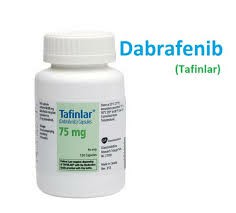
During dabrafenib treatment, patients also need to pay attention to possible side effects. Common side effects include rash, fever, fatigue, etc. These reactions may affect the continuity of treatment in some patients. Depending on the severity of the side effects, doctors may adjust the dose or use adjuvant treatments to relieve symptoms. Reasonable side effect management is the key to ensuring that patients can successfully complete the treatment course and maximize the efficacy of the drug. At the same time, patients should maintain communication with the medical team and report discomfort in a timely manner so that they can receive timely treatment.
Generally speaking, the medication course of dabrafenib has individual differences, and a personalized treatment plan needs to be developed according to the patient's specific condition and tolerance. Patients should strictly follow medical instructions during treatment, conduct regular efficacy evaluation and safety monitoring, and adjust treatment strategies in a timely manner. Through scientific and standardized medication management, the anti-tumor effect of dabrafenib can be maximized and the prognosis and quality of life of patients can be improved.
Reference materials:https://go.drugbank.com/drugs/DB08912
[ 免责声明 ] 本页面内容来自公开渠道(如FDA官网、Drugs官网、原研药厂官网等),仅供持有医疗专业资质的人员用于医学药学研究参考,不构成任何治疗建议或药品推荐。所涉药品可能未在中国大陆获批上市,不适用于中国境内销售和使用。如需治疗,请咨询正规医疗机构。本站不提供药品销售或代购服务。


