
.jpeg)
Summary of common side effects and possible harms of Epclusa
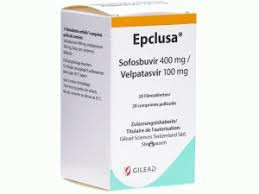
Epclusa is a direct-acting antiviral drug composed of two antiviral drugs, sofosbuvir (Sofosbuvir) and velpatasvir (Velpatasvir). It is mainly used to treat chronic hepatitis C virus (HCV) infection. As a first-line treatment option, Jisandai has been widely used due to its efficient viral clearance rate and good tolerability. However, like all drugs, Jisandai may also bring certain side effects and potential risks during the treatment process. This article will comprehensively summarize the common side effects and possible harms of Jisandai to help patients and doctors better understand and manage adverse reactions during medication.
First of all, the most common side effects of Jisandai include fatigue, headache, nausea and insomnia. Most of these side effects are mild or moderate, and are more common in patients in the early stages of medication. Fatigue may affect a patient's daily life and work productivity, but usually resolves as treatment progresses. Headaches and nausea can be relieved with dietary changes and adequate rest. Insomnia requires attention to sleep hygiene. Sometimes doctors may recommend the use of auxiliary sleep medications to improve sleep quality. In general, these minor side effects will not seriously affect the continuation of treatment. Patients should actively communicate with their doctors and take appropriate mitigation measures.
Secondly, a small number of patients may experience abnormal liver function during the use of Jisanda. Although this drug is mainly used to treat hepatitis, some patients may experience elevated liver enzymes or fluctuations in liver function, especially those with poor liver function or other liver diseases. Therefore, liver function indicators need to be monitored regularly during treatment to detect abnormalities in time and adjust the treatment plan. In addition, Jisandai may occasionally cause allergic reactions, such as rash, itching, etc. In severe cases, allergic symptoms such as difficulty breathing or facial swelling may occur, and immediate medical treatment is required.
Third, Jisandai may interact with certain drugs, increasing the risk of side effects or affecting efficacy. For example, simultaneous use with drugs containing rifampicin, phenytoin, etc. may lead to a decrease in the efficacy of the third generation drug and a decrease in the virus clearance rate. On the other hand, the incidence of adverse reactions may increase when certain antiarrhythmic drugs or antiepileptic drugs are used together. Therefore, patients should truthfully inform their doctors of all the medications they are taking before using GISANDA to avoid adverse drug interactions. At the same time, special groups such as pregnant women, lactating women and those with severely impaired kidney function should use it with caution.
Finally, although the side effects of Jisandai are generally mild and less, the safety of long-term medication still needs attention. Some patients may experience viral relapse or drug resistance after treatment, and the treatment plan needs to be adjusted based on the specific condition. In addition, if serious adverse reactions occur during the treatment of Jisandai, the drug should be stopped immediately and seek medical treatment in time. Clinicians should regularly evaluate drug efficacy and safety based on the patient's specific conditions, and formulate personalized medication and follow-up plans to minimize the risk of side effects and ensure treatment effectiveness.
To sum up, as a highly effective drug for the treatment of hepatitis C, the common side effects of Jisandai mainly include fatigue, headache, nausea and abnormal liver function. Although most side effects are mild and controllable, potential drug interactions and allergic reactions still need to be taken into account. Patients should maintain close communication with their doctors during the treatment process, report discomfort symptoms in a timely manner, follow the doctor's instructions for regular inspections and adjust the treatment plan, so as to complete the treatment safely and effectively, and ultimately achieve the goal of curing hepatitis C.
Reference: https://www.epclusa.com/
[ 免责声明 ] 本页面内容来自公开渠道(如FDA官网、Drugs官网、原研药厂官网等),仅供持有医疗专业资质的人员用于医学药学研究参考,不构成任何治疗建议或药品推荐。所涉药品可能未在中国大陆获批上市,不适用于中国境内销售和使用。如需治疗,请咨询正规医疗机构。本站不提供药品销售或代购服务。


