
.jpeg)
Can Sunitinib significantly reduce tumor size?
Sunitinib is an oral multi-target tyrosine kinase inhibitor that is widely used to treat advanced renal cell carcinoma, gastrointestinal stromal tumors (GIST) and pancreatic neuroendocrine tumors. It inhibits tumor cell proliferation and neovascularization by inhibiting a variety of signaling pathways related to tumor growth and angiogenesis, such as VEGFR, PDGFR and KIT. This mechanism allows sunitinib to effectively control the disease and even reduce tumor size in some patients.
In clinical practice, after some patients are treated with sunitinib, imaging examinations can observe a significant reduction in tumor volume, especially in lesions that are sensitive to targeted therapy. For patients with kidney cancer, studies have shown that sunitinib, as a first-line treatment option, can not only delay the progression of the disease, but also bring about a high objective response rate (including partial response or even complete response). In addition, in the treatment of GIST, sunitinib has also been confirmed to have good control effects and certain tumor shrinkage effects in patients who are resistant or intolerant to imatinib.
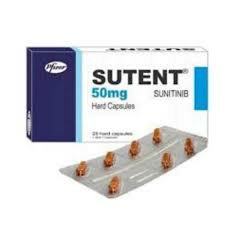
However, it should be noted that not all patients will experience tumor shrinkage after taking sunitinib. The imaging findings of some patients may be "stable disease", that is, the tumor does not shrink significantly but does not continue to grow. In some cases, the effect of sunitinib is more reflected in delaying tumor progression, improving symptoms, and prolonging progression-free survival. Therefore, examinations such as CT or MRI need to be carried out regularly during the treatment process, and the doctor will evaluate the treatment effect.
In summary, sunitinib may indeed achieve significant reduction in tumor volume in some patients, especially in tumor types with well-expressed targets. However, the specific effects vary from person to person and need to be judged based on individual condition, genetic background and treatment response. During the period of use, patients should closely cooperate with the doctor for follow-up and provide timely feedback on side effects so that dose adjustment or treatment strategy optimization can be made to obtain the best treatment effect.
Reference materials:https://www.sutent.com/
[ 免责声明 ] 本页面内容来自公开渠道(如FDA官网、Drugs官网、原研药厂官网等),仅供持有医疗专业资质的人员用于医学药学研究参考,不构成任何治疗建议或药品推荐。所涉药品可能未在中国大陆获批上市,不适用于中国境内销售和使用。如需治疗,请咨询正规医疗机构。本站不提供药品销售或代购服务。


