
.jpeg)
Besudil Mesylate Tablets Instructions for Use
Belumosudil mesylate tablets (Belumosudil) is an oral small molecule kinase inhibitor that mainly regulates immune and inflammatory responses by inhibiting Rho-related protein kinase 2 (ROCK2). In the treatment of chronic graft-versus-host disease (cGVHD), Belumosudil, as a new targeted therapy, provides a new treatment option for patients who are refractory to glucocorticoids or other systemic treatments. The following is important medical information contained in the instructions, which is compiled based on overseas data and is suitable for understanding the professional background and key points of use of this drug.
1. Indications and treatment scope
The main indication of Besudil is chronic graft-versus-host disease (cGVHD), which is suitable for patients aged 12 years and above, especially those who have not achieved satisfactory results after receiving glucocorticoids or other systemic treatments. Chronic GVHD is a common serious complication after allogeneic hematopoietic stem cell transplantation. Its mechanism is mainly related to the attack of donor immune cells on recipient tissues, which can affect multiple organs such as skin, lungs, liver, and digestive tract. By modulating immune cell function and inhibiting pro-inflammatory factors, besudil has the potential to slow disease progression, alleviate symptoms and delay the need for further systemic treatment.
2. Pharmacological mechanism and principle of action
The target of Besudil isRho-related coiled-coil forming protein kinase 2 (ROCK2), which is involved in T cell activation, fibrosis process and the release of pro-inflammatory factors. Inhibiting ROCK2 helps regulate Th17/Treg cell balance and reduce the production of inflammatory mediators such as IL-17 and IFN-γ, thereby alleviating tissue damage caused by immune responses. This mechanism of action gives it unique advantages in immune regulation and is different from traditional immunosuppressants such as glucocorticoids or calcineurin inhibitors.
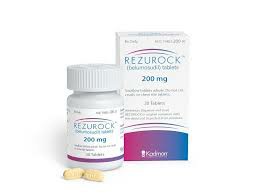
3. Usage, dosage and treatment cycle
According to the instructions, the standard usage of besudil is oral administration, once a day, 200 mg each time The medication time is not affected by meals, and the appropriate medication period can be selected according to the patient's habits. Treatment should continue until chronic GVHD progresses, or until the physician determines that a change in systemic treatment is needed. During use, the patient's clinical response and changes in organ function need to be regularly evaluated to determine whether to continue using or adjust the regimen.
4. Drug interactions and metabolic characteristics
Besudil is mainly metabolized by the liver in the body, involvingCYP3A enzyme system. Therefore, the combined use of strong CYP3A inducers (such as rifampicin) or strong inhibitors (such as ketoconazole) may affect its plasma concentration, thereby affecting efficacy and safety. In addition, patients who are taking antifungals, antiepileptic drugs, antiviral drugs, or other immunosuppressive drugs should consult a professional physician to avoid potential drug interactions.
5. Common adverse reactions and precautions
In overseas clinical applications, the safety profile of besudil is generally good. Common adverse reactions include fatigue, nausea, diarrhea, elevated liver enzymes, etc. Some patients may experience high blood pressure or headaches. During use, it is recommended to regularly monitor indicators such as liver function and blood pressure, especially when combined with other drug treatments, you should pay more attention to the burden of liver metabolism. In addition, the safety of the drug during fertility, pregnancy and lactation has not yet been fully clarified, so use during pregnancy should be avoided and contraceptive measures should be taken if necessary.
6. Medication and use restrictions for special groups
Besudil should be used with special caution in children, the elderly, or patients with liver and kidney dysfunction. Although the current indications cover people over the age of 12, there is still a lack of sufficient data on safety and effectiveness for younger patients. If elderly patients have underlying diseases, it is recommended to gradually assess the risks under the guidance of a doctor, and adjust the dosage or frequency of use as appropriate.
Reference: https://www.drugs.com/pro/rezurock.html
[ 免责声明 ] 本页面内容来自公开渠道(如FDA官网、Drugs官网、原研药厂官网等),仅供持有医疗专业资质的人员用于医学药学研究参考,不构成任何治疗建议或药品推荐。所涉药品可能未在中国大陆获批上市,不适用于中国境内销售和使用。如需治疗,请咨询正规医疗机构。本站不提供药品销售或代购服务。


