
.jpeg)
Is baricitinib/baricitinib classified as a biologic?
Baricitinib (Baricitinib) is a targeted oral drug used to treat rheumatoid arthritis and certain other autoimmune diseases. It is often mistaken by patients as a "biological agent", but from a strict medical classification perspective, it does not belong to a biological drug in the traditional sense. Biological agents usually refer to macromolecular proteins produced through bioengineering technology, such as monoclonal antibodies or receptor fusion proteins. They are mostly administered through intravenous or subcutaneous injection, and their targets are mostly focused on specific cytokines in the inflammatory pathway. Baricitinib is a small molecule drug with a clear chemical structure and can be synthesized artificially. The route of administration is oral and does not rely on preparation by living cells. Therefore, it is not classified as a biological agent in drug classification, but is classified as "targeted synthetic antirheumatic drugs" (tsDMARDs).
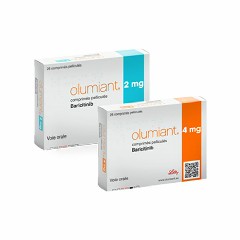
Baricitinib blocks the transduction mechanism of various pro-inflammatory cytokines by inhibiting theJAK1 and JAK2 signaling pathways, thereby regulating the overactive response of the immune system, which is similar to the effects of certain biological agents. However, in terms of treatment selection and management strategies, it is still clinically treated differently from traditional biological drugs such as TNF-α or IL-6 inhibitors. Many guidelines have classified JAK inhibitors into independent treatment categories, and their management methods are closer to small molecule targeted drugs.
In addition, baricitinib is more consistent with the characteristics of chemical drugs in terms of pharmacokinetics, safety assessment, drug interactions, etc. Therefore, although its efficacy is comparable to that of some biological drugs, and even has the advantage of being more convenient for some patients, its classification in terms of regulatory approval, prescription management, and medical insurance reimbursement is not equivalent to biological agents. Patients should be aware of this classification difference when understanding treatment options to avoid misunderstandings about drug mechanisms and risks and ensure medication safety and compliance.
Reference materials:https://go.drugbank.com/drugs/DB11817
[ 免责声明 ] 本页面内容来自公开渠道(如FDA官网、Drugs官网、原研药厂官网等),仅供持有医疗专业资质的人员用于医学药学研究参考,不构成任何治疗建议或药品推荐。所涉药品可能未在中国大陆获批上市,不适用于中国境内销售和使用。如需治疗,请咨询正规医疗机构。本站不提供药品销售或代购服务。


