
.jpeg)
What is the difference in efficacy between neratinib/neratinib and pyrotinib?
Neratinib/Pyrotinib and Pyrotinib are both oral small molecule tyrosine kinase inhibitors (TKIs) currently used for HER2-positive breast cancer. They have certain similarities in their treatment mechanisms. Both are pan-HER family inhibitors, which have inhibitory effects on multiple receptors such as HER1 (EGFR), HER2, and HER4. However, there are still many significant differences between the two in terms of molecular structure, pharmacokinetic characteristics, adverse reaction spectrum, scope of indications and actual clinical manifestations. It is these differences that make the two drugs play different roles in the selection of treatment paths, and also affect doctors' precise and individualized formulation of patient treatment plans.
From the perspective of drug source and research and development background, neratinib was developed by Puma Biotechnology Company in the United States. It was first approved by the FDA in 2017. It is mainly used for extended adjuvant treatment of HER2-positive early breast cancer after trastuzumab treatment after surgery. In contrast, pyrotinib was developed by Hengrui Pharmaceuticals, a local Chinese company, and was approved by the China State Food and Drug Administration in 2018 for combined treatment of patients with HER2-positive advanced or metastatic breast cancer. Neratinib is mainly positioned to consolidate treatment results and prevent recurrence in the adjuvant stage; while pyrotinib plays an anti-tumor role more in first-line and second-line treatment, especially in the late or relapse stage, reflecting its strong ability to inhibit the HER family signaling pathway.
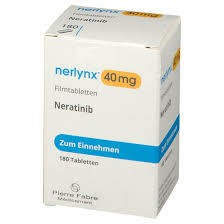
Based on the pharmacological mechanism analysis, neratinib is an irreversible panHER inhibitor that can continuously bind to the HER2 receptor and block the signaling pathway. Pyrotinib is also an irreversible inhibitor, but its affinity and selectivity are more inclined to HER2 and EGFR, and its inhibitory effect on HER4 is weak. Some in vitro studies have shown that the half inhibitory concentration (IC50) of pyrotinib may be slightly better than that of neratinib in HER2-positive cells, which may partially explain its rapid tumor burden reduction characteristics when used in advanced patients in the clinic.
In terms of adverse reactions, the most common problem with neratinib that is of high clinical concern is diarrhea. Some patients may have moderate to severe diarrhea in the early stages of treatment and require preventive intervention with loperamide. Pyrotinib also has diarrhea as its main side effect, but the severity is relatively mild and the tolerance is slightly better. In addition, neratinib has a more prominent impact on liver function, and transaminase levels need to be closely monitored clinically, while pyrotinib is more related to skin rash, oral mucosal reaction, hand-foot syndrome, etc. This difference in adverse reaction spectrum determines that doctors need to comprehensively consider the patient's overall physical condition and past medical history when selecting drugs.
In terms of combination therapy, neratinib is usually combined with endocrine therapy drugs such as letrozole, tamoxifen or folvestane for hormone receptor-positive patientsHER2-positive breast cancer patients. Pyrotinib is often used in combination with capecitabine for patients with HER2-positive advanced breast cancer, especially in patients who have previously received trastuzumab or failed multiple regimens, showing better response rates. This different combination strategy also reflects the difference in the properties of the drugs - neratinib focuses on maintenance, while pyrotinib puts more emphasis on controlling progression.
Reference materials:https://en.wikipedia.org/wiki/Neratinib
[ 免责声明 ] 本页面内容来自公开渠道(如FDA官网、Drugs官网、原研药厂官网等),仅供持有医疗专业资质的人员用于医学药学研究参考,不构成任何治疗建议或药品推荐。所涉药品可能未在中国大陆获批上市,不适用于中国境内销售和使用。如需治疗,请咨询正规医疗机构。本站不提供药品销售或代购服务。


